

Rotavirus gastroenteritis (RVGE), commonly known as rotavirus diarrhea or autumn diarrhea, is an acute gastrointestinal infection caused by rotavirus (RV), the most prevalent pathogen responsible for acute diarrhea in infants and young children. Children under 5 years old are universally susceptible to RV infection, with clinical manifestations ranging from asymptomatic infection to fatal severe gastroenteritis. In China, RV accounts for 25% to 30% of acute gastroenteritis (AGE) cases in children under 5, making it the leading cause of hospitalization for pediatric AGE.

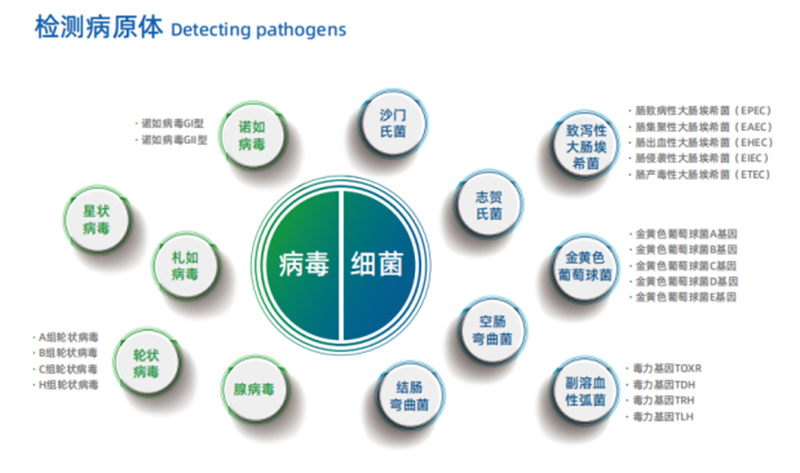
Rotavirus (RV) belongs to the Reoviridae family. Its genome consists of 11 segments of double-stranded RNA (dsRNA), each encoding proteins with distinct functions: 6 structural proteins (VP1-VP4, VP6, VP7) and 6 non-structural proteins (NSP1-NSP6). Based on sequence and antigenic differences in VP6, rotaviruses are classified into 10 groups (A-J), among which groups A, B, C, and H infect humans.
· Group A is the most common, primarily infecting children and causing acute gastroenteritis
· Group B mainly causes diarrhea in adults
· Group C infections are sporadic with occasional small-scale outbreaks
· Group H is rare
Epidemiological Characteristics
Source of infection: Symptomatic patients and asymptomatic carriers.
Transmission routes: Mainly fecal-oral transmission and contact transmission; respiratory transmission is also possible.
Susceptible population: Children under 5 years old are universally susceptible, with the peak incidence of severe RVGE in infants aged 6 to 24 months.
Epidemic season: RVGE occurs year-round, with peak prevalence from October to February of the following year.
Clinical Symptoms
Initial symptoms mimic the common cold, leading to misdiagnosis
The incubation period is 1 to 3 days. Onset is acute, with nausea and vomiting often as the first symptoms, accompanied by fever (mostly moderate to low-grade; a few children have temperatures exceeding 39°C).
Typically vomiting preceding diarrhea, with "three excesses and one deficiency"
Vomiting initially occurs, followed by diarrhea of varying severity (watery or egg-drop soup-like stools without mucus or foul odor), ranging from several to dozens of episodes daily, mostly accompanied by fever. Severe cases present with the clinical triad of excessive stool volume, excessive water content, frequent defecation, and reduced urine output. The course of RVGE is generally 3 to 8 days. Immunocompromised children may develop chronic RVGE, which can progress to systemic infection in severe cases.
Complications of RVGE: Dehydration, electrolyte imbalance and acidosis, myocarditis, convulsions, pneumonia
Differential Diagnosis
Clinically, RV-induced gastroenteritis cannot be distinguished from diarrhea caused by other enteric pathogens (e.g., norovirus, adenovirus, astrovirus, Escherichia coli, Salmonella), and laboratory testing is required for differential diagnosis.
Common clinical detection techniques for rotavirus include Enzyme-Linked Immunosorbent Assay (ELISA), colloidal gold immunochromatography, and PCR technology.
Enzyme-Linked Immunosorbent Assay (ELISA)
As the most widely used immunoassay method, ELISA features simple operation, high sensitivity and specificity. It is not only used for diagnosis but also for serotyping and strain identification, suitable for large-scale clinical testing and epidemiological surveys. However, due to the complex composition of fecal samples, if diarrheal specimens contain excessive oil and suspended solids that cannot be completely centrifuged, non-specific aggregates may form, interfering with specific antigen-antibody binding and leading to misinterpretation of results.
Colloidal Gold Technology
This rapid diagnostic technology combines nanocolloidal gold with immunological techniques. Using colloidal gold as a tracer, it enhances the efficiency of antigen-antibody reactions through filtration or chromatography, forming red colloidal gold bands visible to the naked eye or measurable by densitometry.
PCR Technology
Real-time fluorescent quantitative PCR offers high sensitivity, strong specificity, and accurate quantification, enabling genotyping of viral isolates. It has high application value in etiological diagnosis but requires specially trained technicians and specialized equipment.
Preventive Measures
1. Frequent handwashing, avoidance of contact with patients and their respiratory droplets, and regular ventilation of indoor spaces.
2. Immunoprophylaxis
The World Health Organization (WHO) recommends that all countries include RV vaccines in their national immunization programs, with vaccination starting as early as 6 weeks of age to achieve immune protection before natural RV infection. Vaccination is not recommended for children over 2 years old.
Rocgene
Nucleic Acid Detection Solution for Diarrheal Pathogens
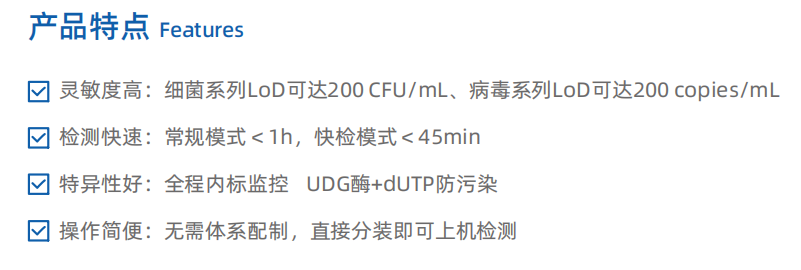
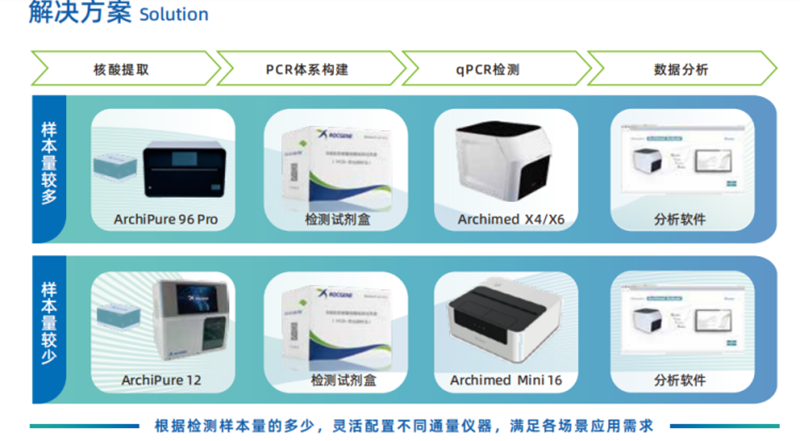
Rocgene's rotavirus nucleic acid detection reagents cover rotavirus groups A, B, C, and H, available in single-assay and multiplex formats. They can be flexibly configured with instruments of different throughputs, supporting genotyping surveillance of rotavirus infections.
06
16
08
18


 +86-010-86229225
 info@rocgene.com
 CN
CN