

Fungi hold a very high status in biological classification, nearly on par with the animal kingdom. Moreover, fungi exhibit characteristics of both plants and animals. Their impact on human history is profound and complex, as seen in the tragic historical event of the Great Irish Famine caused by late blight. In this issue, let us explore these remarkable organisms.
Fungi are a large group of eukaryotic microorganisms with cell walls and typical nuclei. They are widely distributed and highly diverse. For humans, fungi are classified as beneficial or pathogenic. The various mushrooms we consume daily are part of the fungi kingdom. Most fungi are harmless to humans, while more than a hundred medically relevant fungi can cause infectious, toxic, and hypersensitivity diseases.
There are approximately 100,000 fungal species, among which dozens can infect humans and cause related diseases. The most prevalent pathogens are Candida and dermatophytes. Based on the affected sites, fungal infections are classified as: superficial fungal infections (commonly known as dermatomycoses) and deep fungal infections (also called invasive fungal infections).
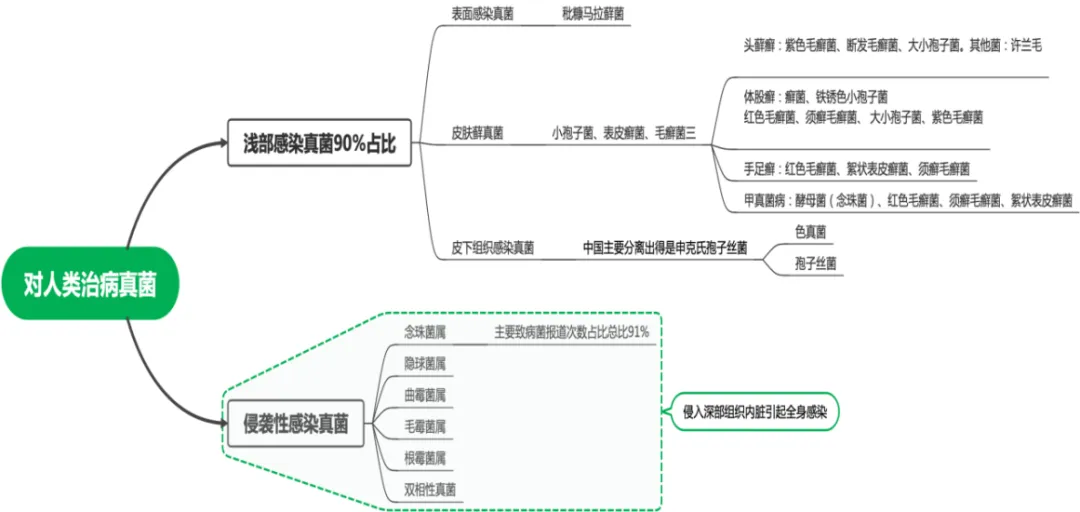
What You Need to Know About Superficial Fungi
Superficial infections account for 90% of all mycoses. Although they have a low mortality rate, superficial fungal infections are extremely common, affecting over one billion people annually. They are frequent and prevalent diseases in dermatology, with a global incidence of 20%–25% and accounting for 15%–20% of dermatology outpatient visits. In recent years, the incidence has continued to rise due to the increasing number of patients with diabetes, AIDS, and organ transplants, as well as the use of broad-spectrum antibiotics, glucocorticoids, and immunosuppressants. They are especially common in southern and southeastern coastal areas of China, where approximately 60% of people suffer from superficial mycoses. Common types include tinea capitis, tinea corporis, tinea manus and pedis, and onychomycosis. Tinea capitis (commonly known as “favus” or “ringworm of the scalp”) is transmitted by infected animals such as cats and dogs. Tinea corporis is often transmitted by scratching from existing tinea manus and pedis. The main pathogens of fungal skin diseases are dermatophytes, including Trichophyton schoenleinii, Microsporum audouinii, Trichophyton rubrum, Trichophyton mentagrophytes, Trichophyton verrucosum, and Microsporum canis. Complications include bacterial infections such as erysipelas and cellulitis; tinea capitis can cause permanent hair loss. Tinea pedis (athlete’s foot) is highly recurrent and difficult to cure, causing great distress and severely affecting quality of life.
Standardized diagnosis and treatment of superficial fungal infections still face many challenges. Subcutaneous fungal infections are difficult to diagnose and treat. For endemic mycoses unique to China, such as sporotrichosis and Talaromyces marneffei infection, further research is needed on their pathogenic mechanisms, transmission patterns, and treatment standards. Fungal infection involves interactions among pathogens, hosts, and antifungal drugs, requiring strengthened basic research on mycoses and related pathogenic fungi. Understanding of pathogens has evolved from morphological description to physiological characteristics and then to molecular characteristics. The ultimate goal of these studies is to solve clinical challenges including pathogenesis, early diagnosis, and effective treatment.
Deep Fungal Infection (Invasive Fungal Infection)
What You Need to Know
Invasive fungal infection (IFI) is an infectious disease caused by opportunistic fungal pathogens invading deep solid organs and/or the bloodstream. In recent years, the overall incidence of IFI has been increasing. A U.S. study on the epidemiology and clinical characteristics of IFI from 2006 to 2015 showed an average annual incidence of 27.2 per 100,000 people, with an average annual increase of 0.24 per 100,000 (P=0.21). An estimated 1.2 billion people worldwide suffer from fungal diseases, with 15,000 to 2 million deaths annually—far exceeding deaths from common infectious diseases such as malaria or tuberculosis, imposing a huge global economic burden. The lung is the most common site of IFI. A previous domestic study analyzing all IFI patients in surgical ICUs found that pulmonary fungal infections accounted for 56.4%. Invasive pulmonary fungal infection (IPFI) refers to infection of the trachea, bronchi, and/or lung tissue caused by fungi. Common IPFI pathogens in China include Aspergillus, Cryptococcus, Candida, and Pneumocystis. Previously rare pathogens such as Talaromyces marneffei and Mucor are becoming increasingly common.
A multicenter study showed that according to internationally accepted diagnostic criteria for invasive fungal infections, the top seven pulmonary mycoses in patients with non-hematologic malignancies were: pulmonary aspergillosis (180 cases, 37.9%), pulmonary candidiasis (162 cases, 34.2%), pulmonary cryptococcosis (74 cases, 15.6%), pneumocystosis (23 cases, 4.8%), pulmonary mucormycosis (10 cases, 2.1%), and pulmonary Talaromyces marneffei infection (4 cases).
Fungal Pathogen Detection Technologies
Against fungal infections, diagnosis comes first. Dr. David Denning, CEO of the Global Action Fund for Fungal Infections, stated: “Fungal diseases have long been neglected, and inadequate diagnosis is at the root of this neglect. Failure to diagnose fungal infection means patients do not receive proper treatment.”
Fungal pathogen detection technologies are shown in the figure:
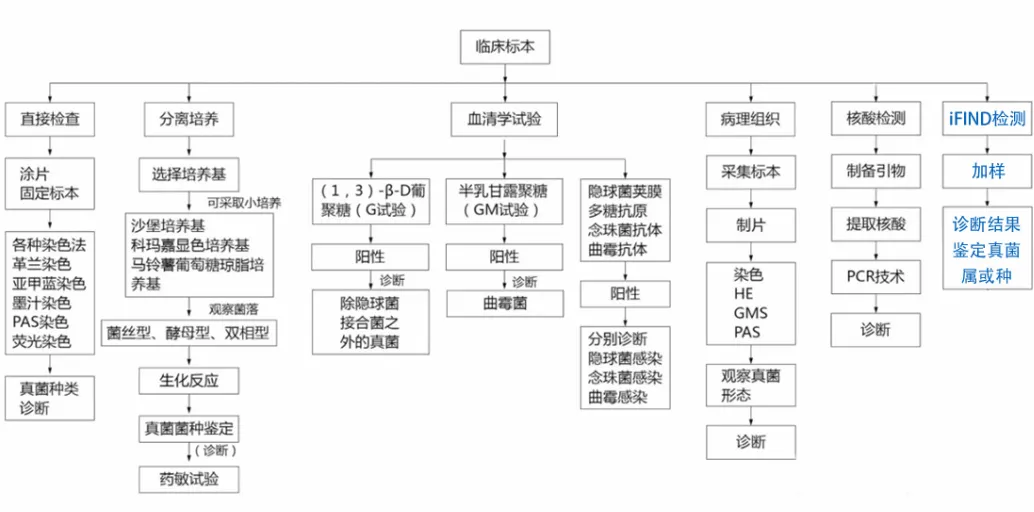
Traditional fungal diagnosis relied on pathogen culture, microscopy, and other conventional methods, which have low detection rates, long turnaround times, and complex procedures. Today, molecular biological methods are more sensitive and rapid compared to traditional approaches.
Molecular methods can detect low levels of fungal DNA within a short time, facilitating early diagnosis of fungal infections. Among PCR techniques, real-time fluorescent quantitative PCR offers high sensitivity and is suitable for detecting low-abundance fungal DNA in clinical specimens, showing great promise for invasive fungal detection. It has been included in the 2020 consensus definitions of the European Organization for Research and Treatment of Cancer (EORTC) and the Mycoses Study Group Education and Research Consortium (MSGERC) as a diagnostic method for invasive fungal diseases.
Advantages of Molecular Fungal Diagnosis
1. Universal PCR can detect fungi in various specimen types, including fresh tissue, formalin-fixed paraffin-embedded (FFPE) tissue, cerebrospinal fluid (CSF), body fluids, blood, and bronchoalveolar lavage fluid (BALF), with good accuracy and specificity, although sensitivity varies between specimen types.
2. Fungal differential diagnosis should be consistent with histopathological or microscopic findings. Universal PCR is an excellent complement to culture methods, especially when fungal infection cannot be ruled out despite negative cultures.
3. Another significant advantage of universal PCR is the ability to detect unexpected pathogens. For example, the most common Aspergillus pathogen is A. fumigatus; targeted detection of A. fumigatus alone would miss rare species such as A. nidulans, whereas universal Aspergillus PCR prevents such missed detections.
iFIND® Automated Nucleic Acid Detection Platform-Based
Rapid Fungal Diagnosis Solution

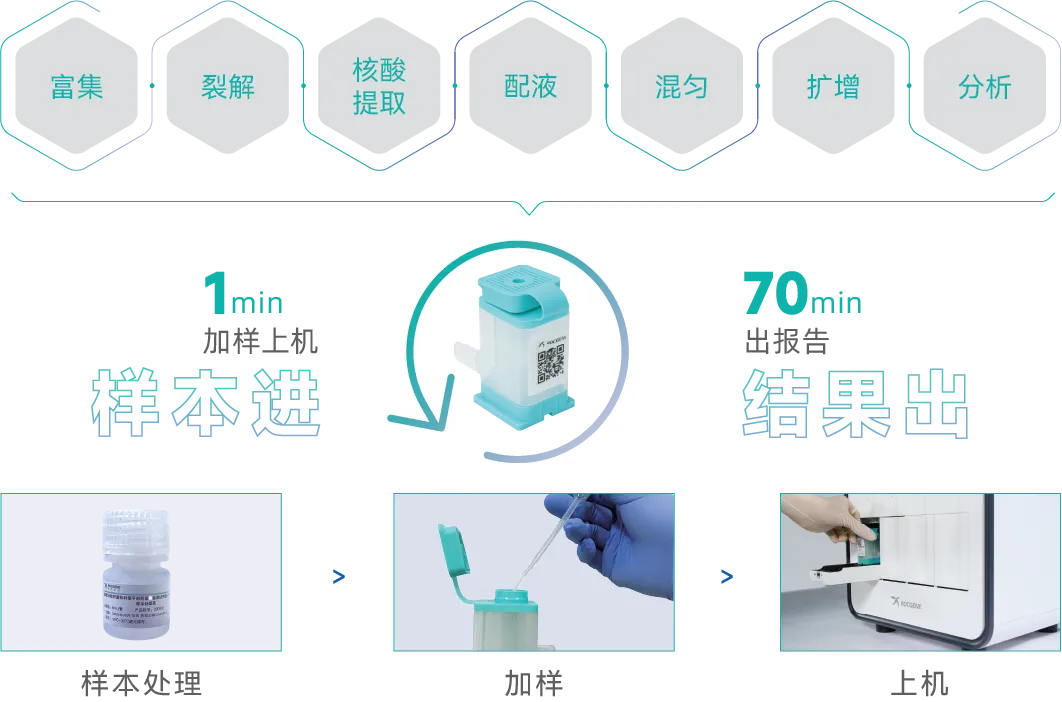
The iFIND system is a fully automated, integrated nucleic acid detection platform based on microfluidic chip technology, featuring faster heating and higher sample utilization efficiency. Its coaxial optical path design enables true free optical combination and supports detection of more targets simultaneously. With an all-in-one cartridge, users only need one-step sample addition and scanning to start the test, with no manual operation such as uncapping required throughout the process, making it convenient and safe. The detection results show 100% agreement with WHO-recommended reference methods. A single test provides both diagnostic and drug-resistance results, with comprehensive coverage of mutation sites across multiple targets.
The iFIND system is recommended for patients with mild symptoms and negative traditional microscopy or staining, as well as those with poor treatment response and persistent recurrent symptoms, to facilitate early diagnosis and improve pathogen detection positivity. Fungal detection using the iFIND platform allows simultaneous identification of multiple common fungal species in a single test.
Early Diagnosis and Treatment, Precise Intervention
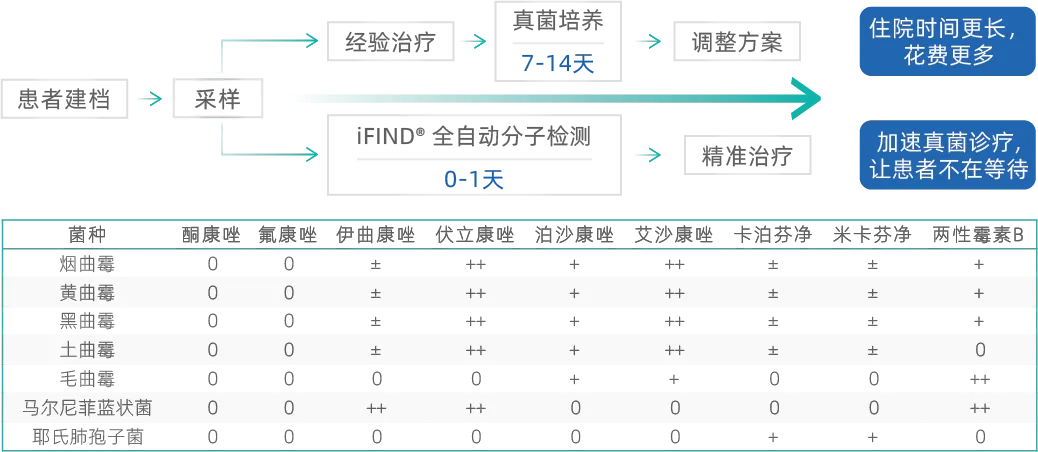
At-Risk Populations
⇒ High Risk
Acute myeloid leukemia, allogeneic hematopoietic stem cell transplantation (HSCT), solid organ (heart, lung, liver) transplantation;
⇒ Intermediate Risk
Acute and chronic lymphocytic leukemia, lymphoma, COPD, AIDS, aplastic anemia;
⇒ Low Risk
Autologous hematopoietic stem cell transplantation, Hodgkin’s lymphoma, chronic myeloproliferative disorders, solid tumors, myeloma, renal transplantation, chronic immune diseases, systemic lupus erythematosus.
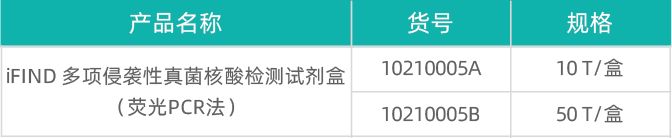
Ordering Information
06
16
08
18


 +86-010-86229225
 info@rocgene.com
 CN
CN