

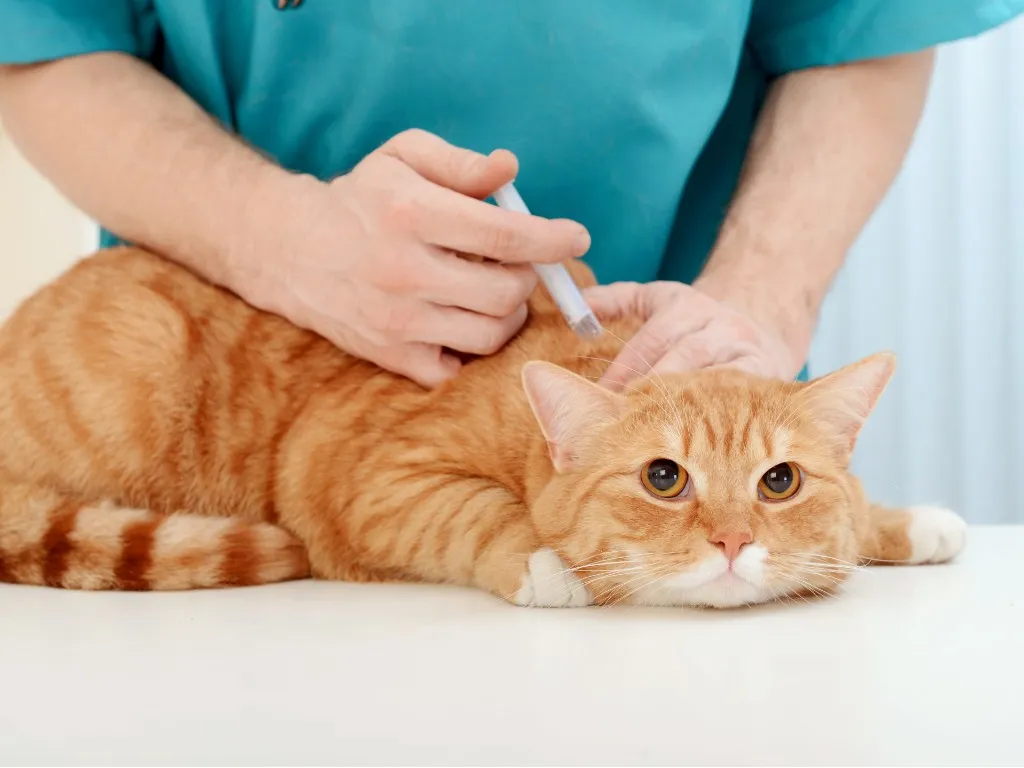
Common Infectious Diseases
Feline Upper Respiratory Infection (URI) is a common infectious disease in veterinary clinics, stray cat shelters, pet stores, and multi-cat households worldwide. URI is caused by pathogenic microorganisms including FCV (Feline Calicivirus), FHV-1 (Feline Herpesvirus-1), Mycoplasma felis, Chlamydia felis, and Bordetella bronchiseptica. Epidemiological statistics of 306 cats with upper respiratory symptoms in Beijing showed that the total mixed infection rate was as high as 23.8% (73/306).
The virus spreads through infected cats, carriers, and fomites. Young kittens, stressed, or immunosuppressed cats are more susceptible to clinical disease. After clinical symptoms resolve, infected cats often become carriers of FHV or FCV. The duration of shedding is uncertain and may last from weeks to years.
Clinical Signs
Clinical signs of feline URI are complex, making it difficult to identify the specific causative agent. Severity varies from mild watery nasal discharge to fatal systemic disease. Signs include sneezing, conjunctivitis, oral lesions, fever, and pneumonia.
Owners often report abnormal harsh sounds during inspiration (usually upper airway involvement) and expiration (usually lower airway involvement). Viral infections often trigger a "vicious cycle," causing tissue damage, mucosal swelling, and inflammatory mediator release. Damage to the nasal turbinate epithelium can lead to secondary bacterial infection.
Infectious Agents
1 - Feline Calicivirus (FCV)
Feline Calicivirus (FCV) includes many strains with high genetic diversity. In clinical practice, this means even vaccinated cats may be exposed to strains for which immunity is insufficient or absent. Depending on virulence, clinical signs may include anorexia and fever, arthralgia and myalgia, or less commonly pneumonia. Oral and gingival ulcers are common and usually worsen with secondary bacterial infection.
2 - Feline Herpesvirus (FHV)
Feline Herpesvirus (FHV) is genetically stable and easier to diagnose by molecular techniques (PCR) than FCV. In FHV infection, respiratory signs (sneezing) and sinusitis (ocular and nasal discharge) are predominant. Affected cats may also show respiratory distress and anorexia. These signs usually resolve relatively quickly, but FHV-infected cats become lifelong carriers, and latent virus can reactivate during stress. Complications are rare, but severe ocular damage may lead to blindness. The disease can be fatal in young kittens (neonatal mortality syndrome) due to high fever and systemic weakness.
3 - Mycoplasma felis
Mycoplasma felis is unstable outside tissues and is most frequently found in the mucosa of the respiratory, urinary, and reproductive tracts, where it can evade host immune responses and survive for a long time. Upper respiratory infections caused by Mycoplasma are relatively uncommon. Clinical signs include conjunctivitis and sneezing. Mycoplasma infections usually resolve spontaneously within 2–4 weeks. It remains unclear whether Mycoplasma acts as a primary or secondary pathogen. Other species such as Mycoplasma gatae and Mycoplasma feliminutum may be isolated, but their clinical significance is uncertain.
4 - Chlamydia felis
Chlamydia felis is an obligate intracellular microorganism that cannot replicate independently of host cell enzymes. It is commonly associated with conjunctivitis in cats. Its life cycle includes intracellular and extracellular stages. The infectious extracellular stage survives only a few days at room temperature but up to one month at 4℃. Different strains likely vary in virulence. Chlamydia felis spreads by direct contact, and clinical signs may persist for weeks in some animals.
5 - Bordetella
Diagnosis
Specific diagnostic methods include polymerase chain reaction (PCR), virus isolation or bacterial culture, and serum antibody titers.
Samples can be collected from the pharynx, nose, or conjunctiva using sterile swabs, or tissue samples (e.g., tonsil biopsy or mucosal scraping) can be tested by PCR and virus isolation.
Independently Developed by Rocgene
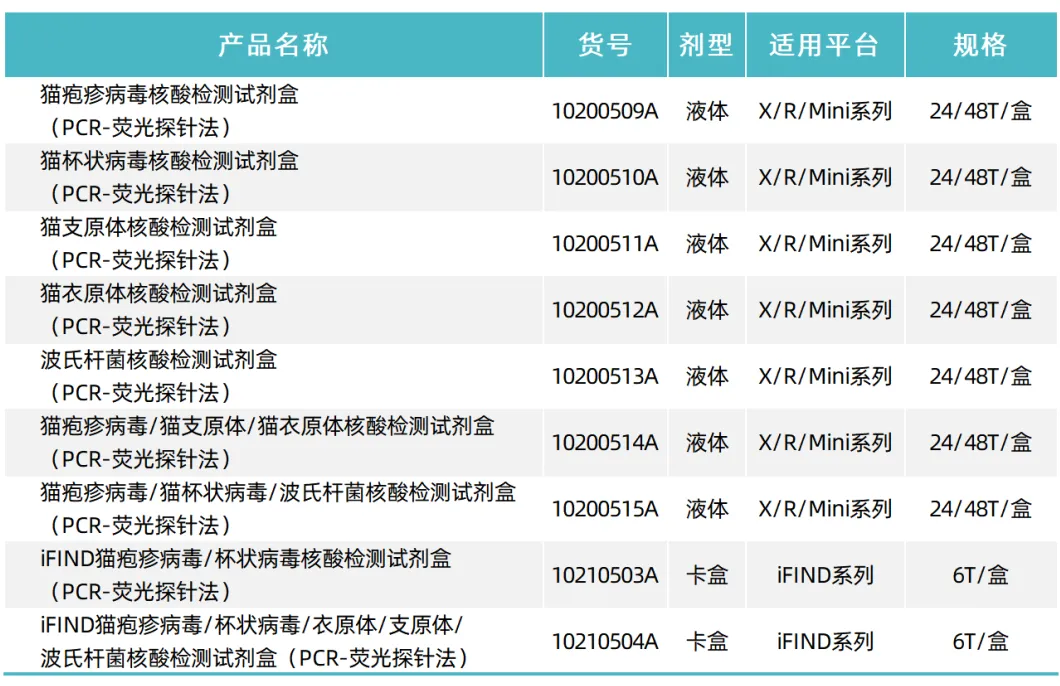
Single and Multiplex PCR Kits for Feline Upper Respiratory Infection, covering
General PCR Reagents and Automatic Veterinary Pathogen Nucleic Acid Detection Reagents.
Welcome to order!
Product Information
06
16
08
18


 +86-010-86229225
 info@rocgene.com
 CN
CN