

Spring is a high season for respiratory diseases. Large temperature fluctuations weaken respiratory defense, leading to a high incidence of respiratory infections. Respiratory diseases are the third leading cause of death globally, especially affecting children, the elderly and other immunocompromised groups. Millions of people die from various respiratory infections worldwide each year, and pneumonia is the leading cause of death in children under 5 years old. In recent years, respiratory infections have become increasingly severe, and the continuous rise in acute respiratory diseases in China is closely related to the co-circulation of multiple respiratory pathogens.
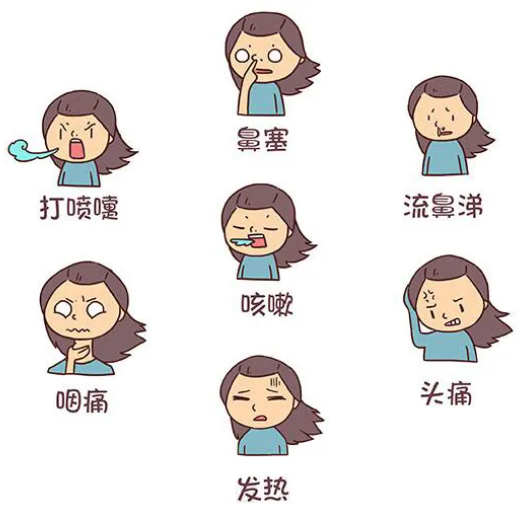
What are the main causes of respiratory infections?
About 70%–80% of upper respiratory tract infections are caused by viruses, including rhinovirus, coronavirus, adenovirus, influenza and parainfluenza viruses, respiratory syncytial virus (RSV), etc. Another 20%–30% are caused by bacteria.
Lower respiratory tract infections are caused by microorganisms including viruses, bacteria, mycoplasma, chlamydia and legionella, and are among the most common infectious diseases.
Most respiratory viruses cause similar, non-specific clinical symptoms. One pathogen can lead to multiple symptoms, and mixed infections are possible and more severe. Mixed infections often reduce the effect of conventional treatments, making effective differential diagnosis particularly important.
Significance of respiratory pathogen detection
Testing for respiratory syndrome pathogens is critical for targeted treatment:
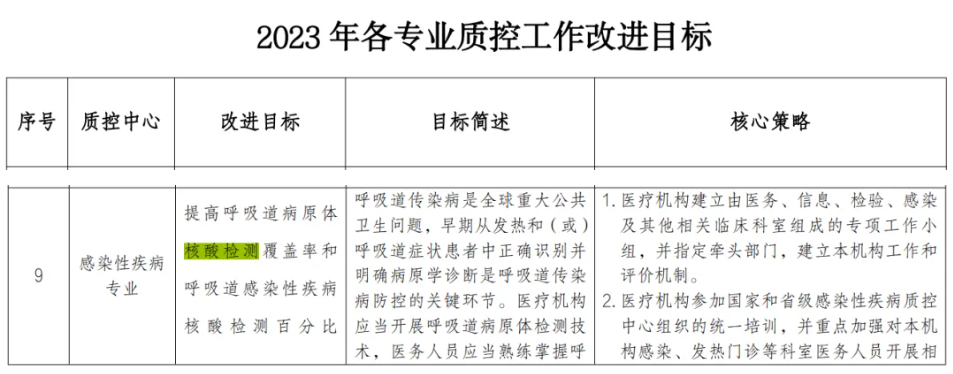
Nucleic acid testing is currently a highly recommended method for respiratory pathogen detection. It enables rapid simultaneous detection of multiple pathogens, is safe and reliable, and provides strong technical support for precise diagnosis and treatment of respiratory infections. The 2023 Quality Improvement Goals issued by the National Health Commission clearly state the need to increase the coverage of respiratory pathogen nucleic acid testing and the percentage of nucleic acid testing for respiratory infectious diseases.
Rocgene Respiratory Tract Nucleic Acid Detection Solution
A key prerequisite for ensuring specificity, sensitivity and success rate of nucleic acid testing is to obtain high-concentration, high-purity nucleic acid from samples. Based on advanced magnetic bead technology, the Rocgene ArchiPure Series Nucleic Acid Extractors enable efficient extraction of nucleic acid from respiratory samples (sputum, nasal and throat swabs). The recovered nucleic acid is ideal for downstream respiratory pathogen detection.
Easy to operate, fast: Intelligent motion control, short processing time — 12 minutes per run;
Flexible throughput, rapid and stable: Extract 1–96 samples per run; extracted DNA/RNA ready for direct molecular testing;
Safe, eco-friendly, contamination-free: Automatic chamber door, UV sterilization, replaceable HEPA filter and negative pressure ventilation ensure biohazard‑free exhaust, reduce operational risks and avoid laboratory contamination.
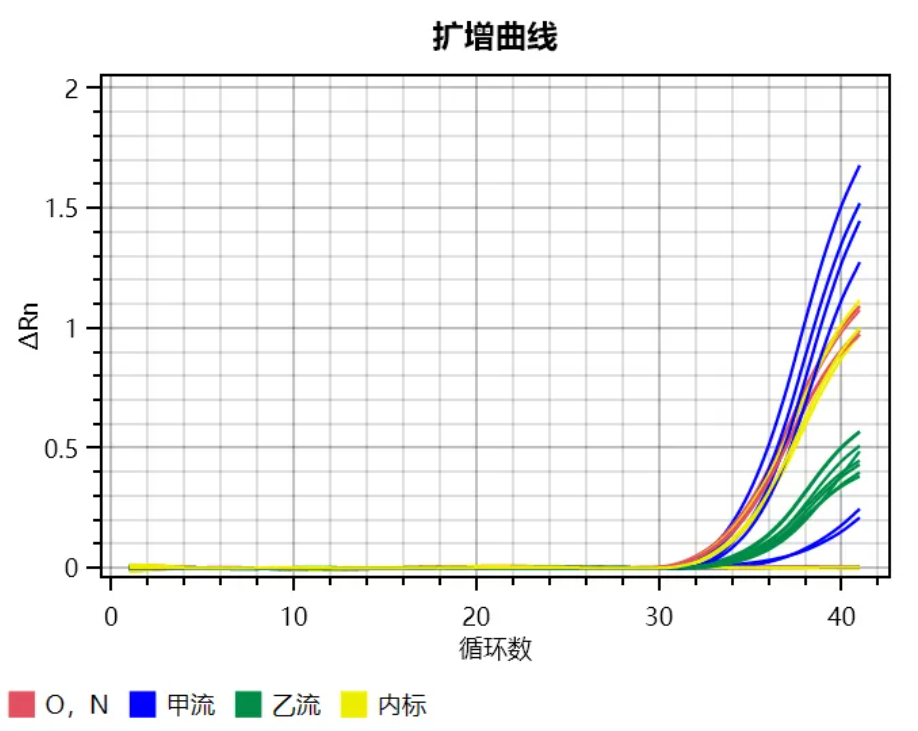
Combined with the Rocgene Archimed Series, it provides a fast and efficient one‑stop detection solution with the shortest turnaround time of 25 minutes. Flexible throughput supports random‑access testing. Multi-color fluorescent channels are compatible with most commercial detection reagents. Well‑to‑well uniformity and accuracy reach ±0.15°C, effectively ensuring detection sensitivity and reliability.

06
16
08
18


 +86-010-86229225
 info@rocgene.com
 CN
CN