

March 24, 2024 marks the 29th World Tuberculosis Day. The theme for this year is “United to End TB”. Prerequisites for ending the epidemic are early detection, early diagnosis, and early treatment. As a socially responsible company, Rocgene is committed to improving diagnostic accuracy, reducing diagnostic costs, and contributing to ending TB in China.
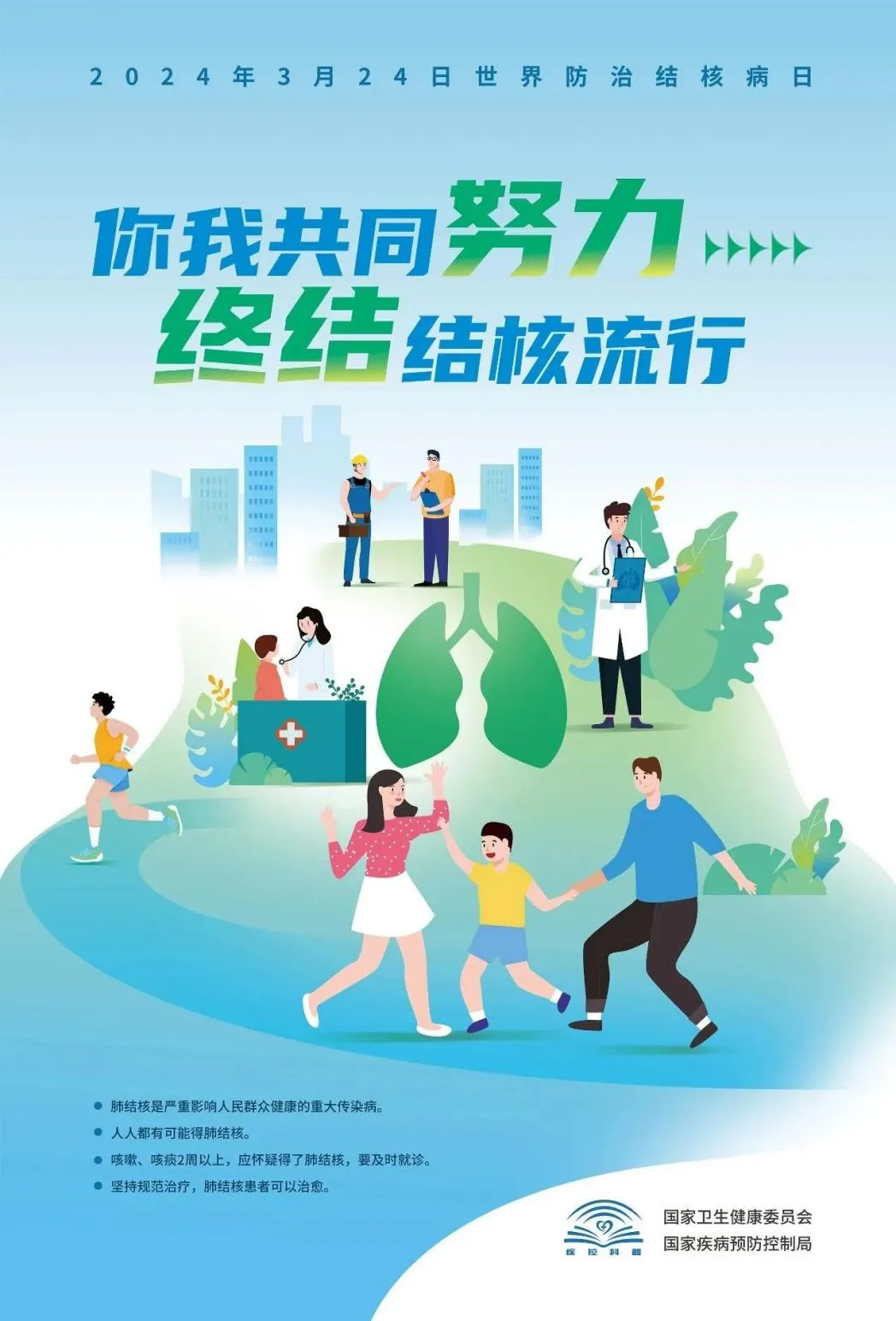
To end the epidemic, we first need to understand tuberculosis. TB, also known as consumption, is a chronic infectious disease caused by Mycobacterium tuberculosis. It spreads when patients cough, sneak, or speak loudly, releasing droplets containing TB bacteria. People nearby who inhale these droplets can become infected. In crowded settings such as families, schools, and factories, delayed detection of infectious TB patients often leads to clusters of cases, seriously threatening public health.
TB was once rampant with high mortality, one of history’s deadliest diseases. The introduction of anti‑TB drugs and BCG vaccine effectively slowed the epidemic. Statistics show that in 2022 there were 10.6 million new TB cases globally, with an incidence rate of 133 per 100,000. Among new cases, 630,000 were HIV‑positive, and 410,000 had MDR/RR‑TB. The proportion of MDR/RR‑TB was 3.3% in new cases and 17% in retreated cases. China is among the world’s 30 high‑TB‑burden countries. In 2023, there were about 770,000 new infections and nearly 4,000 deaths.
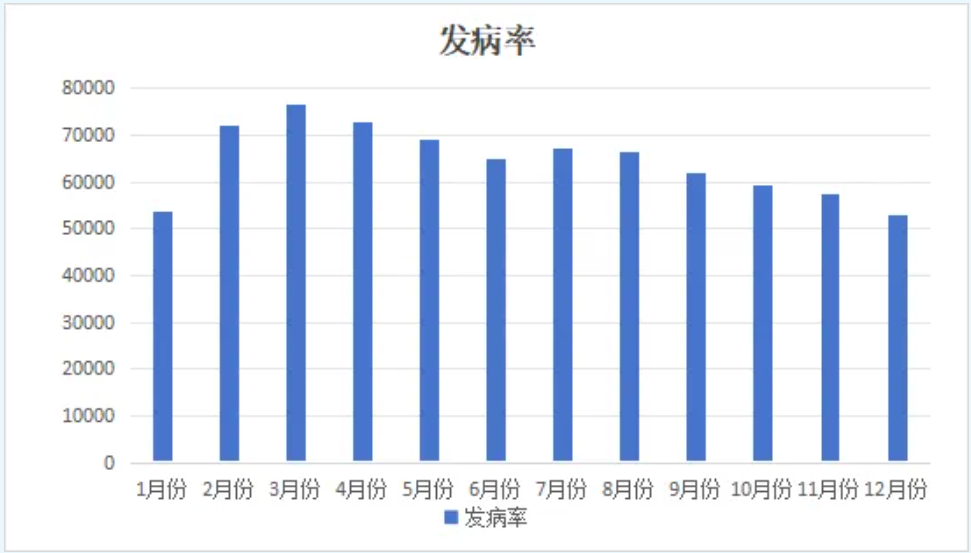
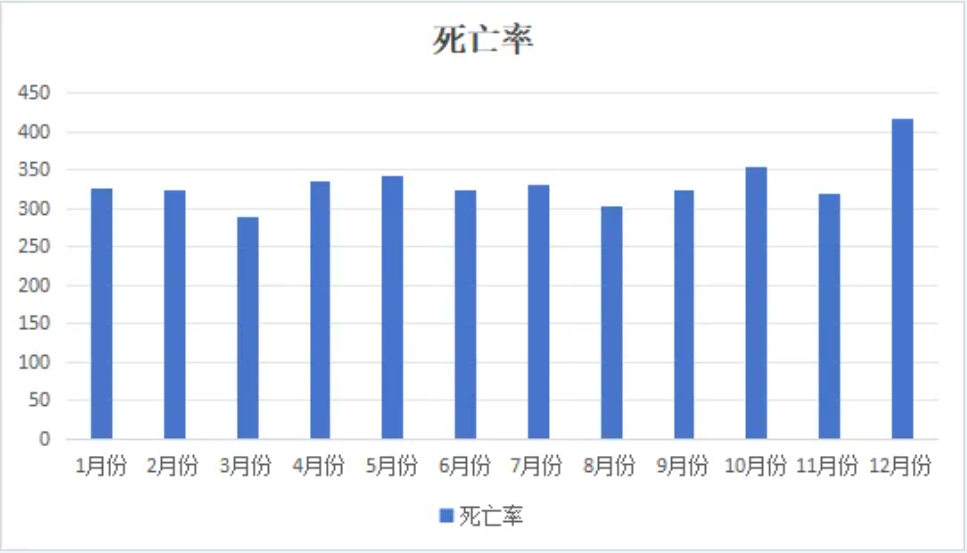
In general, infection with TB bacilli does not always lead to active disease; it usually develops only when immunity declines. Research shows one untreated infectious TB patient can infect 10–15 healthy people in a year, and about 10% of infected people develop active TB. Most pulmonary TB has an insidious onset; some patients have no obvious symptoms and are only found by chest imaging. As the disease progresses, symptoms may include cough, sputum, blood‑tinged sputum or hemoptysis, and recurrent upper respiratory tract infections. Systemic symptoms include night sweats, fatigue, intermittent or persistent afternoon low‑grade fever, poor appetite, and weight loss. Women may have menstrual irregularities or amenorrhea. A small number of patients have acute onset with moderate or high fever and varying degrees of dyspnea.
What should you do if these symptoms appear?
1. Choose an appropriate hospital, such as a chest hospital, pulmonary hospital, or public health clinical center.
2. Choose proper testing methods, including imaging, sputum smear, sputum culture, real‑time fluorescence quantitative PCR, tuberculin test, and T‑SPOT.TB. Among them, qPCR has high sensitivity and can identify the source early.
3. Follow an appropriate treatment plan. Use anti‑TB drugs such as rifampicin, isoniazid, pyrazinamide, ethambutol as prescribed.
4. Practice self‑isolation. TB is highly contagious. After diagnosis, wear masks, disinfect daily items, and avoid crowded places to prevent transmission.
TB prevention and control require joint participation. Early diagnosis, isolation, and treatment are key to reducing incidence and mortality. In 2023, Rocgene’s iFIND Fully Automatic Nucleic Acid Testing System received Class III medical device certification. With its safety and convenience, it contributes Chinese strength to ending the TB epidemic.
Core Features of iFIND
1. Easy Operation
Sample‑in, result‑out; results in 30–100 minutes.
2. Flexible Configuration
Independent modules for random access testing; available in S2/S4/S8 throughput models.
3. High Throughput
1–8 samples per run; up to 64 samples in 8 hours.
4. Comprehensive Results
Simultaneous TB identification, drug resistance, and NTM detection, providing a complete solution for TB diagnosis and treatment.
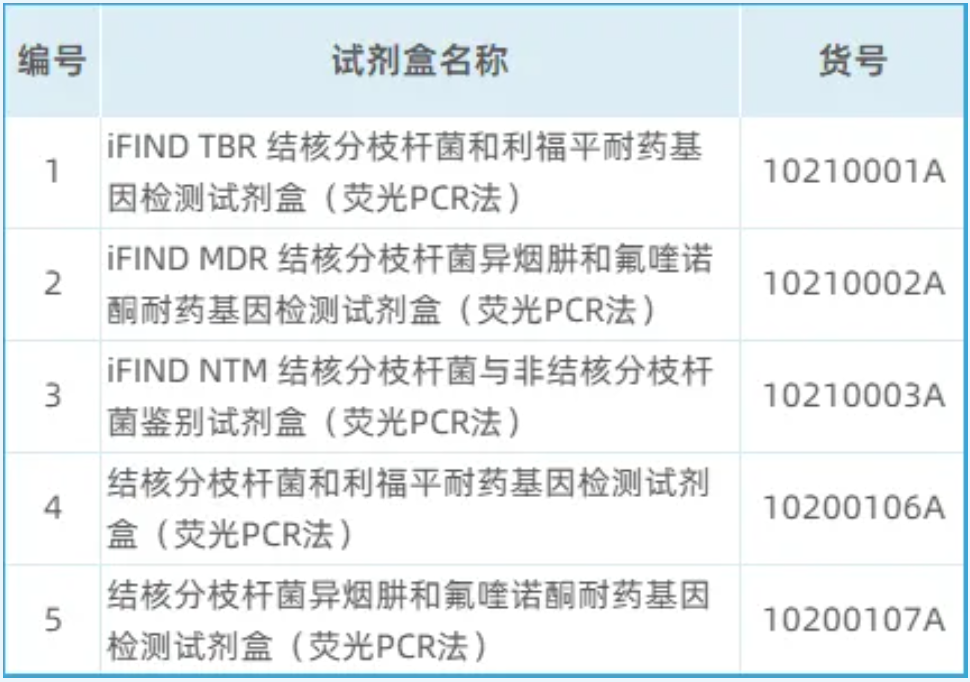
TB Detection Related Kits
06
16
08
18


 +86-010-86229225
 info@rocgene.com
 CN
CN