

On March 30, 2024, the hashtag #WhoopingCoughHasCaused13DeathsThisYear# went viral on Weibo, triggering intense public concern.

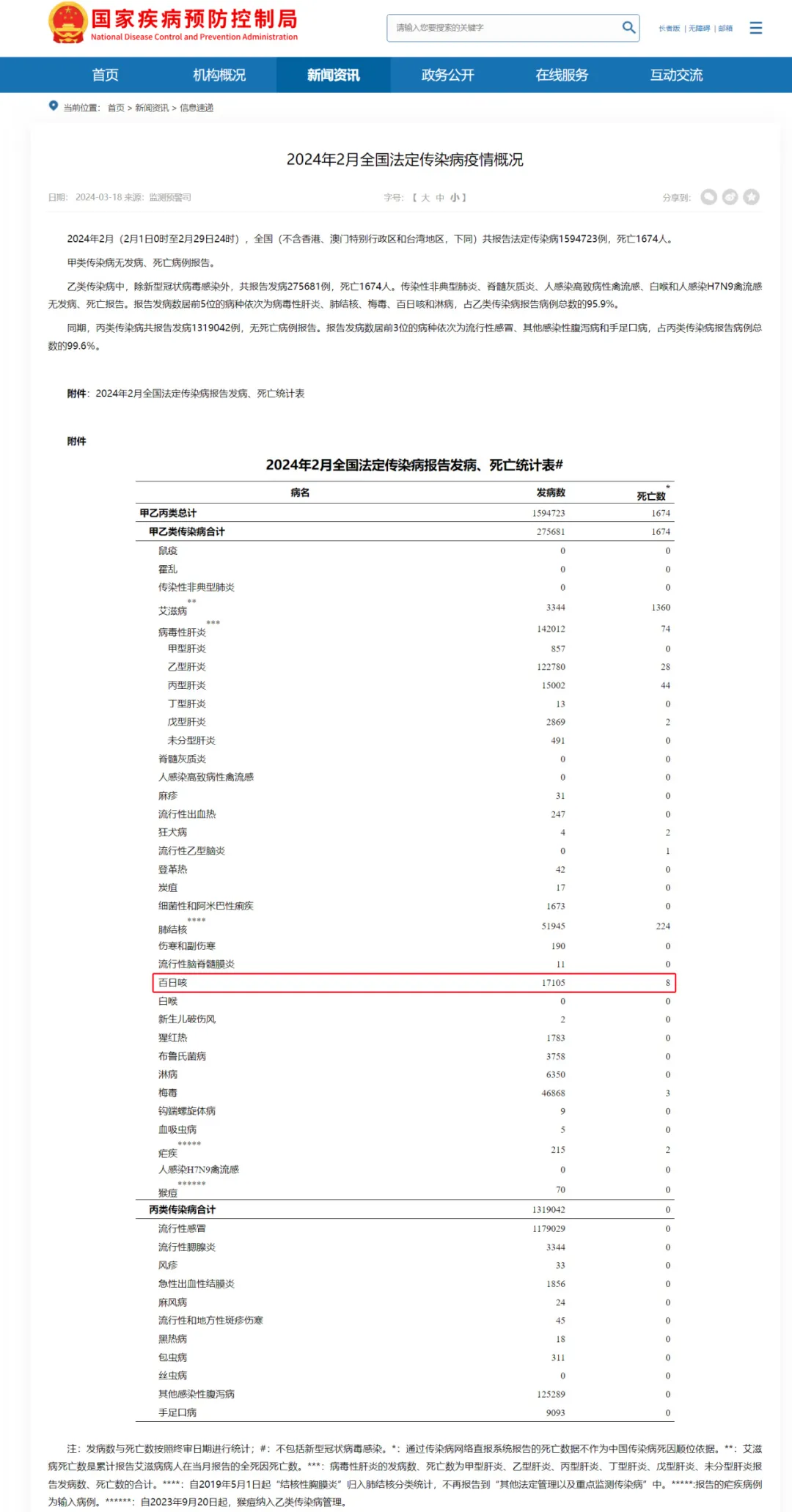
Data released by the National Bureau of Disease Prevention and Control shows a notable rise in pertussis cases starting in July 2023. According to the official website of the National Bureau of Disease Prevention and Control, 32,380 pertussis cases were reported in January–February 2024, approaching the total of fewer than 40,000 cases for the entire year of 2023. In February 2024 alone, 17,105 cases were reported, 7,979 more than in December 2023 and nearly 32 times the number in the same period of the previous year. The incidence has increased significantly among adolescents and adults, while infants and young children remain the most affected group.
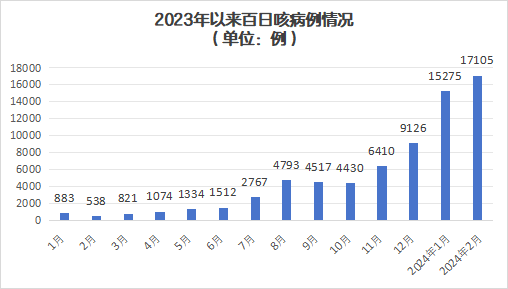
Source: National Bureau of Disease Prevention and Control
Scholars suggest that the possible factors contributing to the resurgence of pertussis include:
① Increased awareness and attention to pertussis among medical staff;
② Improved monitoring sensitivity;
③ Popularization and application of laboratory detection technologies such as PCR, and enhanced public awareness of pathogen testing;
④ Declining vaccination rates in some regions;
⑤ Suboptimal vaccine protection efficacy;
⑥ Short duration of protection after vaccination;
⑦ Antibiotic resistance.
Symptoms of Pertussis
Pertussis, or whooping cough, is an acute respiratory infectious disease caused by *Bordetella pertussis* infection and is classified as a Class B notifiable infectious disease in China. It is mainly transmitted through respiratory droplets and named for its persistent cough that may last for hundreds of days. Unlike coughs caused by the common cold, influenza, or COVID-19, pertussis is characterized by severe paroxysmal and spasmodic coughing, often ending with an inspiratory whoop resembling a rooster’s crow. Generally, all populations are susceptible, but infants under 1 year of age who have not completed the full primary vaccination are the most vulnerable, and severe cases are mostly seen in young infants.

Early Detection, Early Diagnosis, Early Treatment
Rocgene Pertussis Diagnostic Solution
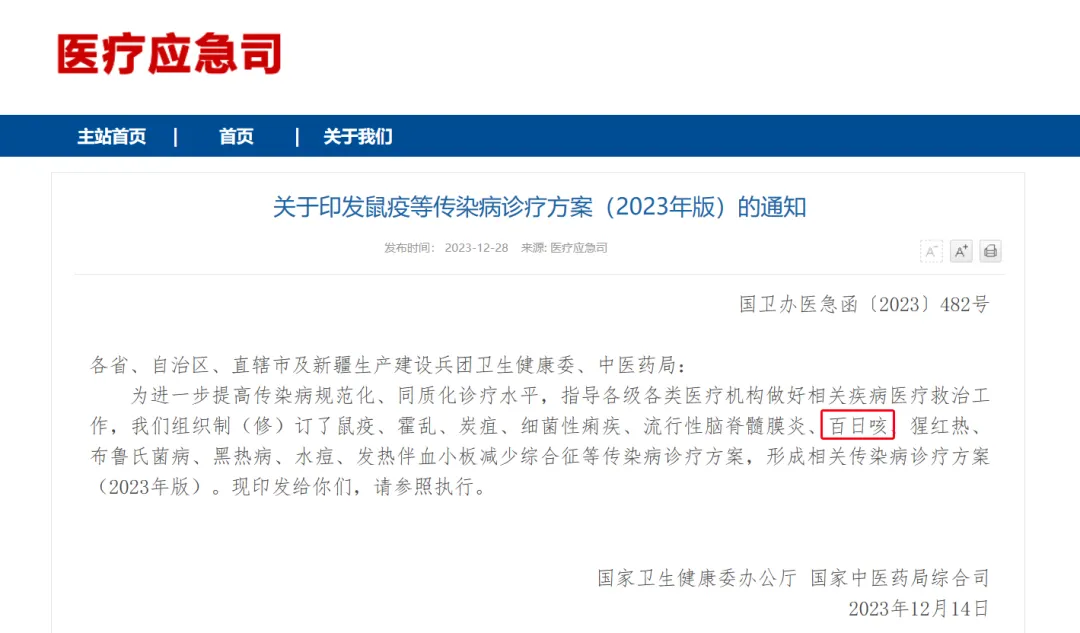
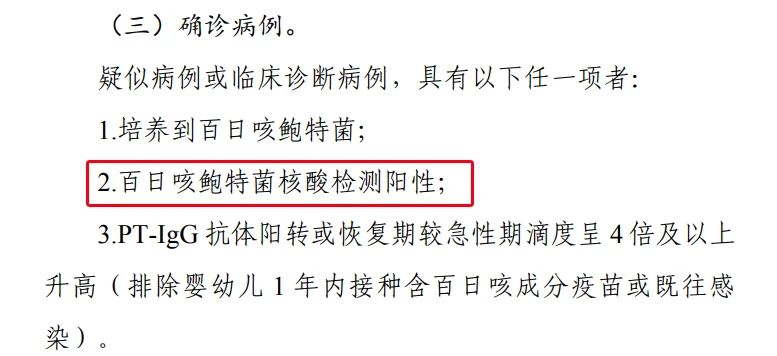
Rapid diagnosis is critical for the prevention and control of pertussis outbreaks. Laboratory detection of pertussis is affected by factors such as specimen collection, sampling timing, vaccination history, and antibiotic use. In addition, *Bordetella pertussis* culture requires a long cycle, and conventional serological testing suffers from low sensitivity and specificity. As a convenient and sensitive method for pertussis detection, qPCR technology enables effective early detection, diagnosis, and treatment, significantly improving patients’ quality of life. On December 28, 2023, the General Office of the National Health Commission and the General Department of the State Administration of Traditional Chinese Medicine jointly issued the diagnosis and treatment protocol for pertussis, in which qPCR nucleic acid testing was included as a standard for detection and confirmation. Based on nucleic acid test results, doctors can guide medication, avoid antibiotic abuse, conduct timely disease monitoring, and prevent further transmission.
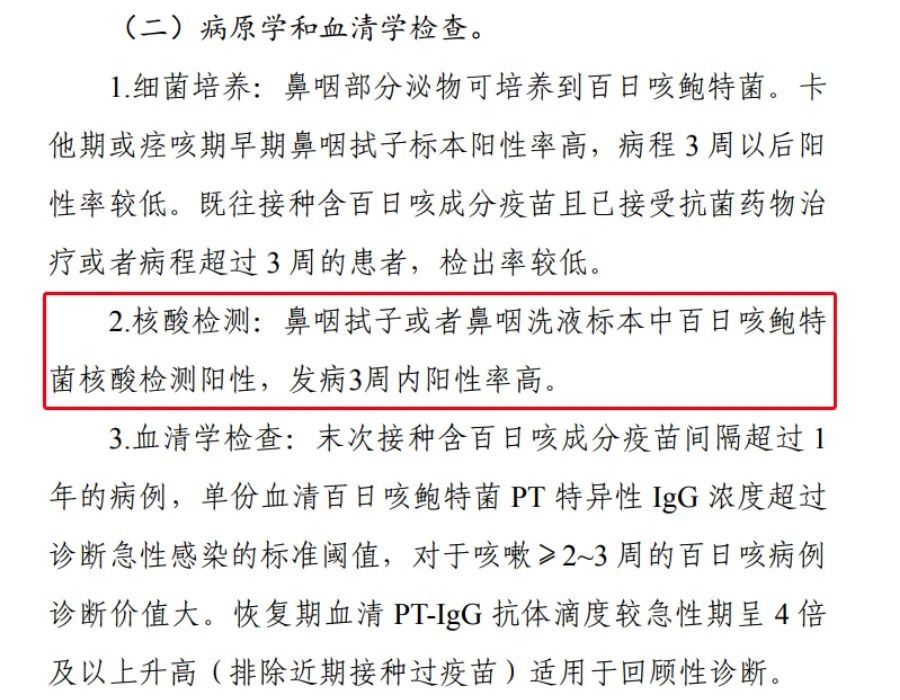
The Rocgene Archimed Series of medical real-time PCR systems enables ultra-fast and highly sensitive detection of pertussis. The instruments are compatible with commonly used detection reagents on the market, providing a solid foundation for the precise prevention and control of pertussis. Paired with the ArchiPure Series of automatic nucleic acid extractors and supporting reagents, flexible combinations of high (96‑channel) and low (16‑channel) throughput are available. The Archimed Series adopts Rocgene’s patented time-resolved well-by-well scanning fluorescence detection technology and an ultra-fast thermal control system, with a maximum heating/cooling rate of 8 °C/s. When used with fast‑reaction reagents, accurate results can be obtained in 30 minutes. Racing against time with high precision and sensitivity, we support the prevention and control of pertussis outbreaks!



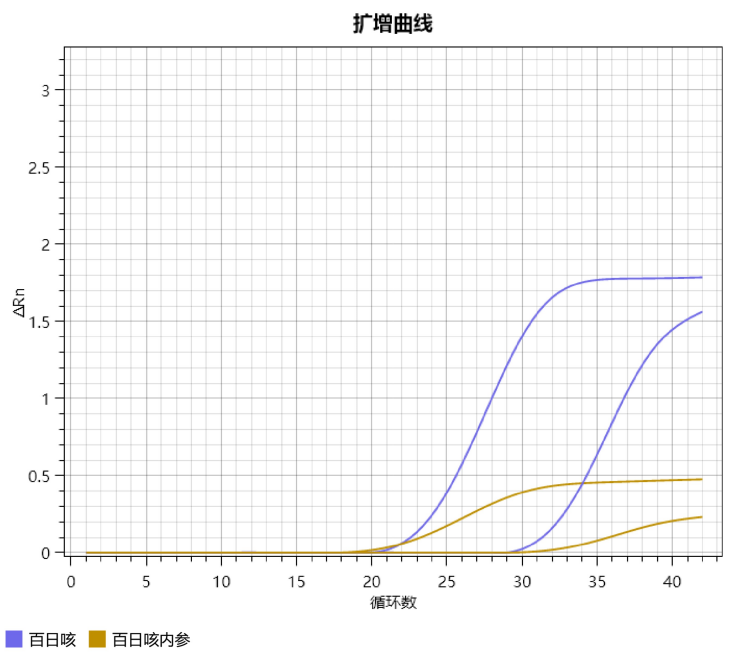
Figure: Detection results of clinical pertussis samples using Archimed Mini 16
How to Respond to the Resurgence of Pertussis?
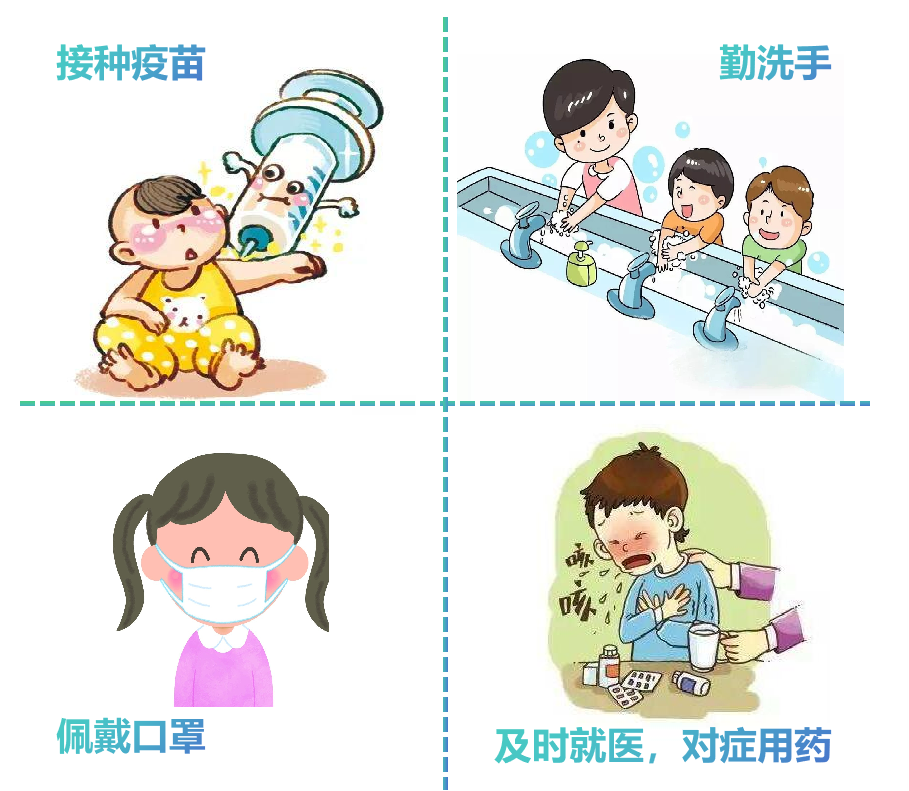
❊ Vaccination is the most direct, economical, and effective measure to prevent pertussis;
❊ In daily life, maintain good personal hygiene: wash hands frequently, cover the nose and mouth when coughing or sneezing, balance work and rest, maintain a regular schedule, and exercise appropriately to enhance immunity;
❊ Especially when caring for infants and young children, adults with cough symptoms should wear masks promptly to avoid infecting children;
❊ If children at home develop related symptoms, seek medical testing in time for targeted and antibacterial treatment.
06
16
08
18


 +86-010-86229225
 info@rocgene.com
 CN
CN