

Canine Infectious Respiratory Disease Complex (CIRDC), commonly known as "kennel cough", refers to a complex of acute infectious respiratory diseases in dogs caused by multiple pathogens. This disease deserves special attention in places where large numbers of dogs are housed together, such as animal shelters and boarding facilities. CIRDC is usually diagnosed based on history and physical examination. However, for dogs with severe, prolonged, or acute clinical signs, the causative agent should be identified promptly.

Pathogens Associated with Canine Infectious Respiratory Disease
The most common pathogens associated with CIRDC in daily practice are Canine Distemper Virus (CDV), Canine Adenovirus Type 2 (CAV-2), Canine Parainfluenza Virus (CPIV), and Bordetella bronchiseptica.
Canine Distemper Virus
Canine Distemper Virus (CDV) belongs to the genus Morbillivirus and the family Paramyxoviridae. CDV is an enveloped RNA virus that can cause a wide range of clinical signs, primarily respiratory signs, accompanied by varying degrees of gastrointestinal (GI) and neurological signs.
CDV is highly contagious and spreads via aerosolized secretions. Viral particles initially infect monocytes in the lymphoid tissues of the upper respiratory tract and tonsils, then spread systemically via lymphatic vessels. CDV also infects lymphocytes, especially CD41 T lymphocytes, causing extensive lympholysis and lymphopenia within the first few days of infection, followed by widespread dissemination to multiple organ systems.
Canine Adenovirus Type 2
Canine Adenovirus Type 2 (CAV‑2), a member of the genus Mastadenovirus, family Adenoviridae, is a non‑enveloped double‑stranded DNA virus and a worldwide cause of infectious respiratory disease in dogs. CAV‑2 infects non‑ciliated bronchiolar epithelial cells, epithelial cells of the nasal mucosa, pharynx and tonsillar crypts, mucous cells of the trachea and bronchi, and type 2 alveolar epithelial cells.
Clinical signs are usually mild and include sneezing, nasal discharge, and dry cough. More severe signs are observed when co‑infected with other CIRDC pathogens. Viral shedding usually subsides 1–2 weeks after infection; however, the virus can survive in the environment for weeks to months.
Canine Parainfluenza Virus
CPIV is an enveloped negative‑sense single‑stranded RNA virus belonging to the family Paramyxoviridae and genus Rubulavirus, closely related to simian virus 5. CPIV is a highly contagious cause of respiratory disease in dogs worldwide. Before the introduction of vaccines, CPIV was isolated from up to 50% of dogs with respiratory disease in kennel environments.
CPIV is transmitted via respiratory droplets and infects respiratory epithelial cells. Infected dogs may show no clinical signs or develop mild dry cough, severe coughing, with or without fever and nasal discharge from day 2 to 6 post‑infection. Clinical signs become more severe when co‑infection occurs.
Bordetella
Bordetella bronchiseptica is a worldwide cause of respiratory disease in dogs and other animals including cats, pigs, rabbits, and humans. Different strains of this Gram‑negative bacillus may vary in host range and pathogenicity, and B. bronchiseptica can also be isolated from apparently healthy dogs.
B. bronchiseptica is highly contagious and spreads via airborne transmission. Once inhaled, it adheres to respiratory cilia through adhesion molecules including fimbriae, filamentous hemagglutinin, adhesins, and lipopolysaccharide. After colonization, the function of respiratory epithelial cells is altered, leading to excessive mucus secretion and further impairment of the local innate immune barrier, making the host more susceptible to secondary infections.
The incubation period is 2–10 days. Mild upper respiratory disease may result in mucopurulent nasal discharge, sneezing, and coughing. In more severe cases involving the lower respiratory tract, signs of systemic illness may occur including lethargy, anorexia, fever, and productive cough.
Diagnosis
Nasopharyngeal swabs, oropharyngeal swabs, tracheal washes, or bronchoalveolar lavage fluid can be collected for bacterial culture, immunoassays, and PCR‑based molecular detection. Bacterial culture of the upper respiratory tract is time‑consuming and demanding in terms of technical skills, environment, and equipment. Immunoassays are inexpensive, simple, and rapid but have limited accuracy and window periods. PCR‑based molecular detection, especially integrated molecular POCT devices, perfectly balances accuracy, speed, convenience, and safety, and is increasingly used for the diagnosis of companion animals.
Independently Developed by Rocgene
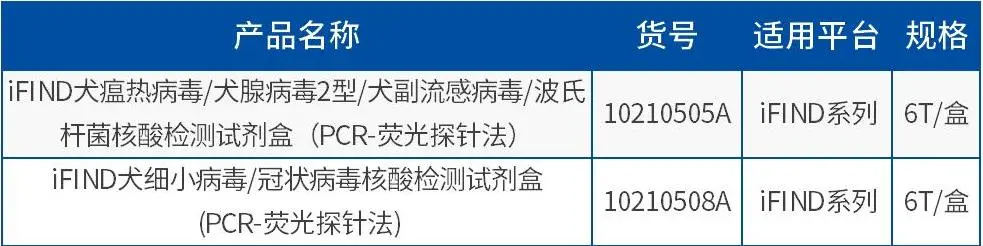
Multiplex PCR Kits for Canine Respiratory Infection, including
general PCR reagents and automatic veterinary pathogen nucleic acid detection reagents.
Molecular testing can be performed immediately after collecting specimens
from the nasal cavity, oropharynx, or lower respiratory tract of pets.
Convenient, safe, and efficient. Welcome to order!
Product Information
06
16
08
18


 +86-010-86229225
 info@rocgene.com
 CN
CN