

What is Antimicrobial Resistance
Antimicrobial resistance (AMR) is a unique survival strategy of bacteria, referring to their insensitivity to antimicrobial agents that were originally capable of killing or inhibiting them. This phenomenon renders once-effective treatments ineffective, as drugs no longer pose a threat to bacteria. On the battlefield of antimicrobial therapy, the emergence of AMR is like the enemy gaining protective armor, blunting the effectiveness of our therapeutic “weapons.”
In the first half of the 20th century, the advent and large-scale production of antibiotics significantly reduced the threat of bacterial infections to human health. However, with the growing trend of antibiotic “abuse,” the emergence of drug-resistant strains has led to a severe consequence: many patients face a higher risk of death due to pathogen resistance. This shift poses an unprecedented challenge to the medical and public health communities.
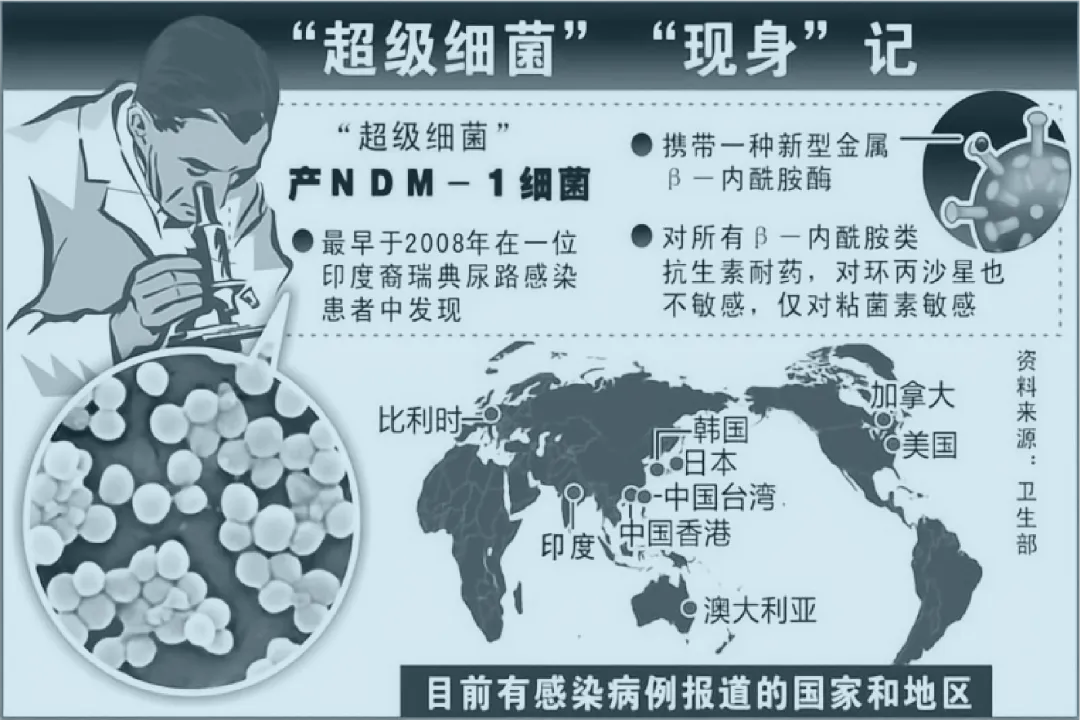
Multiple Mechanisms of Antimicrobial Resistance
1. Natural Selection
The emergence of antimicrobial resistance is primarily driven by natural selection and evolutionary adaptation. Bacteria reproduce at an astonishing rate, generating huge populations in a short time. During this process, a tiny fraction of bacteria acquire resistance to antibiotics through natural genetic mutations. When antibiotics are administered, susceptible bacteria are eliminated, while resistant mutants survive, multiply, and gradually dominate the population, forming hard-to-eradicate resistant strains.
2. Gene Mutation
Another foundation of resistance is random genetic mutation. During frequent DNA replication, occasional errors alter gene sequences, and some of these changes can confer drug resistance. For example, minor sequence adjustments may remodel the bacterial cell wall to impede antibiotic penetration, or modify metabolic pathways to inactivate antibiotic targets. Although mutations are random, the enormous bacterial population ensures that some mutants always exhibit resistance.
3. Horizontal Gene Transfer
Bacteria possess a powerful ability for genetic exchange — horizontal gene transfer (HGT), a key pathway for the rapid spread of resistance. This process includes three main mechanisms: transformation, conjugation, and transduction. Transformation involves direct uptake of free DNA from the environment; conjugation enables direct genetic exchange through cell-to-cell contact; and transduction uses viruses (bacteriophages) as carriers to transfer resistance genes between cells. These efficient transfer mechanisms greatly accelerate the spread of resistance in bacterial populations.

Antimicrobial Resistance Spreads!
The spread of AMR is not limited to a single bacterial population, but follows complex routes across ecosystems and host boundaries:
1. Cross-Species Transmission
Antibiotics are widely used not only in human medicine but also in livestock farming for disease prevention and treatment. This practice exacerbates resistance, as resistant bacteria can enter the human body through the food chain and trigger resistant infections. In addition, occupational groups with frequent animal contact, such as farmers and livestock workers, may inadvertently act as carriers, further promoting cross-species transmission.
2. Environmental Transmission
Wastewater containing antibiotic residues is often discharged into the environment without proper treatment. Low-level antibiotic exposure provides a breeding ground for resistance evolution among diverse bacteria. This occurs in water, soil, and air, forming a widespread resistant bacterial ecosystem. These contaminated environments become important reservoirs and routes for resistance spread, posing long-term threats to human health.
Benefits of Antimicrobial Resistance Testing
1. Infection Prevention and Control
AMR testing enables timely detection and monitoring of resistant bacteria, supporting effective interventions to reduce hospital and community-acquired infections.
2. Guiding Clinical Medication
Early identification of pathogens and resistance profiles helps physicians select appropriate antibiotics, avoid inappropriate use, improve efficacy, and reduce adverse reactions. Combination therapy can be used with proper indications to achieve additive or synergistic effects, reduce dosages, and lower toxicity. Antibiotics should not be used for viral infections; unexplained fever requires etiology clarification before antibiotic use. Special populations — neonates, children, pregnant women, and lactating patients — require extra caution in drug selection.
3. Promoting Antimicrobial Stewardship
Medical institutions can strengthen antibiotic management and reduce abuse through AMR surveillance reports, improving rational use.
4. Advancing Scientific Research
AMR testing provides valuable data for studying resistance mechanisms and trends, supporting the development of new antibiotics and therapies.
5. Raising Public Awareness
Enhanced understanding of AMR improves public awareness of rational antibiotic use, reducing self-medication and overuse.
Molecular Diagnostics
Revolutionizing Antimicrobial Resistance Strategies
Molecular diagnostics are increasingly central to pathogen identification and resistance characterization, either alone or alongside traditional methods. Compared to culture-based detection, genotyping offers superior accuracy and speed, delivering results in about one hour without pathogen isolation. It directly targets specific resistance genes and detects emerging mutations, falling into three categories: amplification-based, sequencing-based, and hybridization-based.
While sequencing and molecular hybridization are highly specific, high costs, complex data interpretation, technical dependence, and limited sensitivity restrict routine clinical use. With technological advances and cost reduction, nucleic acid amplification technologies (NAAT) are now widely applied.
NAAT, especially polymerase chain reaction (PCR) and real-time PCR (qPCR), amplify target sequences to detectable levels and are widely used. qPCR enables rapid quantification, high sensitivity, low contamination risk, and multiplexing, showing great potential for point-of-care detection of multidrug-resistant (MDR) pathogens. As a routine clinical microbiology tool, qPCR distinguishes resistant and susceptible strains through real-time monitoring, high automation, and measurement of genome copy numbers during bacterial growth in the presence of antibiotics.
Summary: Molecular susceptibility testing offers rapid results, allowing early clinical treatment decisions. Therapy can be adjusted later based on phenotypic susceptibility results. This saves patient waiting time and enables faster, more precise effective treatment.
Rocgene
iFIND® Fully Automatic Nucleic Acid Detection System
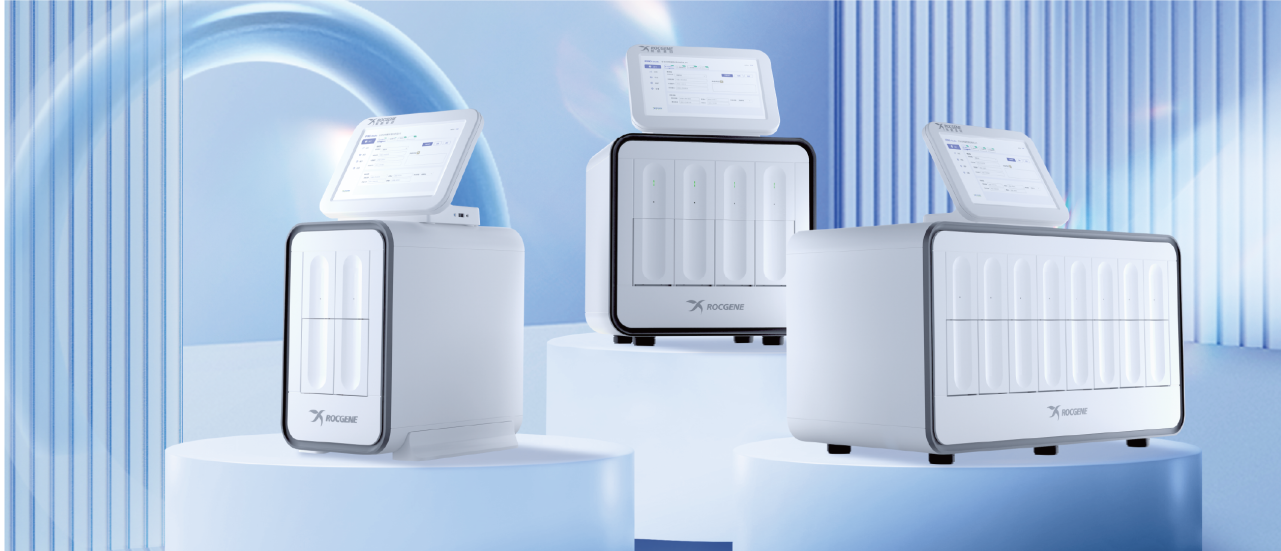
Based on microfluidic technology and integrated closed cartridges with pre-loaded lyophilized reagents, the iFIND® Fully Automatic Nucleic Acid Detection System overcomes the limitations of traditional molecular diagnostics: strict laboratory environment requirements, multiple supporting devices, and high technical skill demands. It eliminates complexity, tedious operation, time consumption, and high environmental barriers, truly realizing “sample-in, result-out” fully automated nucleic acid testing.
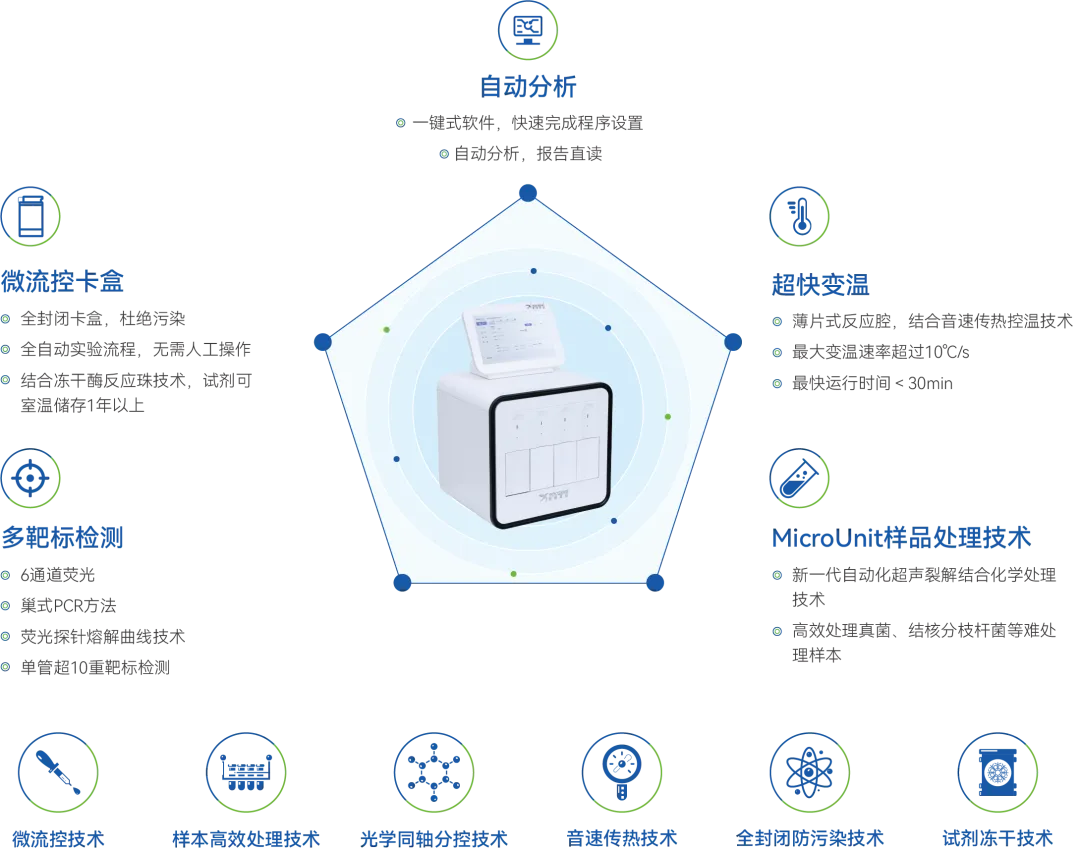
Technical Features
Application Scenarios
iFIND® supports a wide range of multiplex and ultra-multiplex nucleic acid detection kits, including TB identification and drug resistance, fungi, bacteria, and multidrug-resistant pathogens. The system features a modular design, with independent modules that operate simultaneously without interference, enabling random access testing for different sample types. With reasonable running costs, compact size, and flexible throughput, iFIND® is ideal for major public health emergencies and rapid outbreak response.
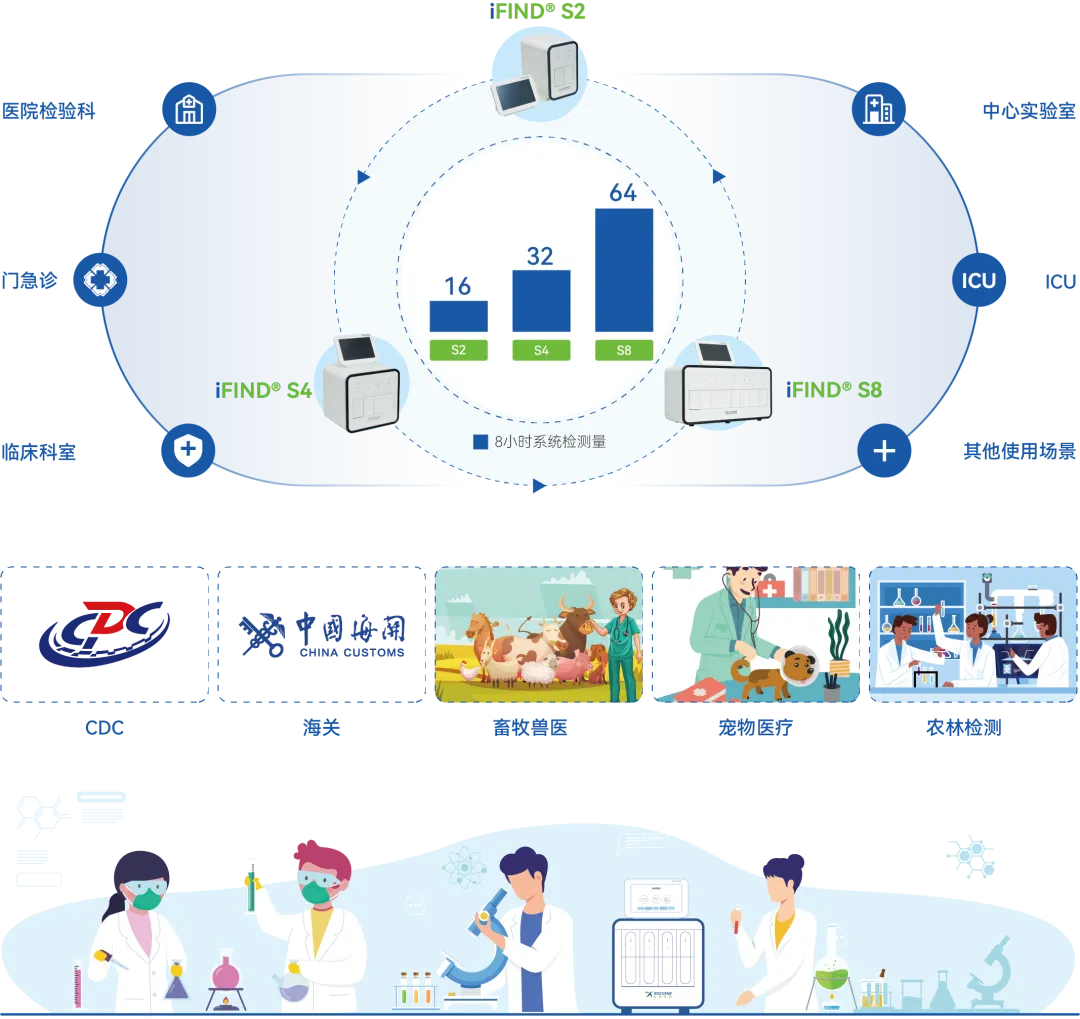
Application Fields

06
16
08
18


 +86-010-86229225
 info@rocgene.com
 CN
CN