

Single test and combination test to meet different testing needs
A total of 152792 patients with acute diarrhea from 217 designated hospitals and 93 reference laboratories (as shown in Figure 1) from 31 provinces (autonomous regions and municipalities) in China from January 2009 to December 2018, diarrhea feces were collected immediately after admission and before treatment for etiological (smear, culture, PCR analysis) and immunology (ELISA, serological tests) for testing.
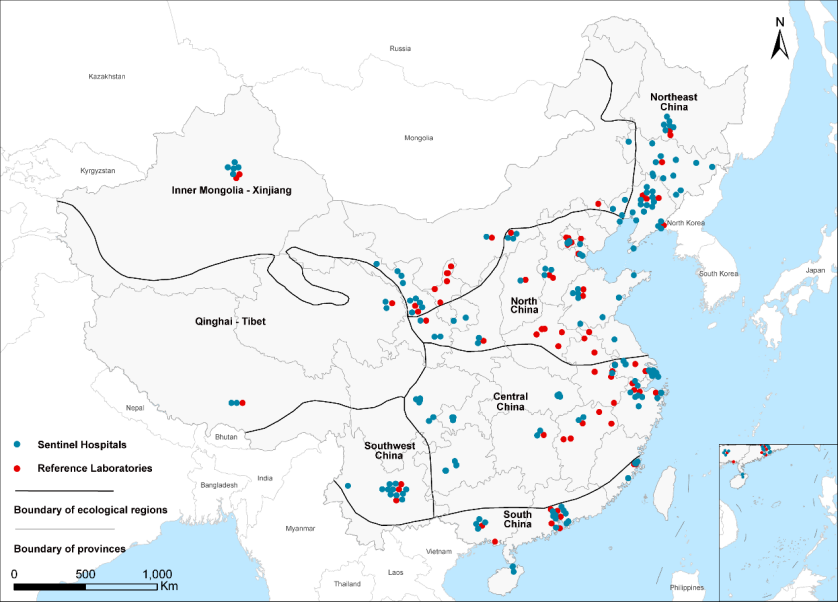
Figure 1.217 designated hospitals and 93 reference laboratories locations
Research methods
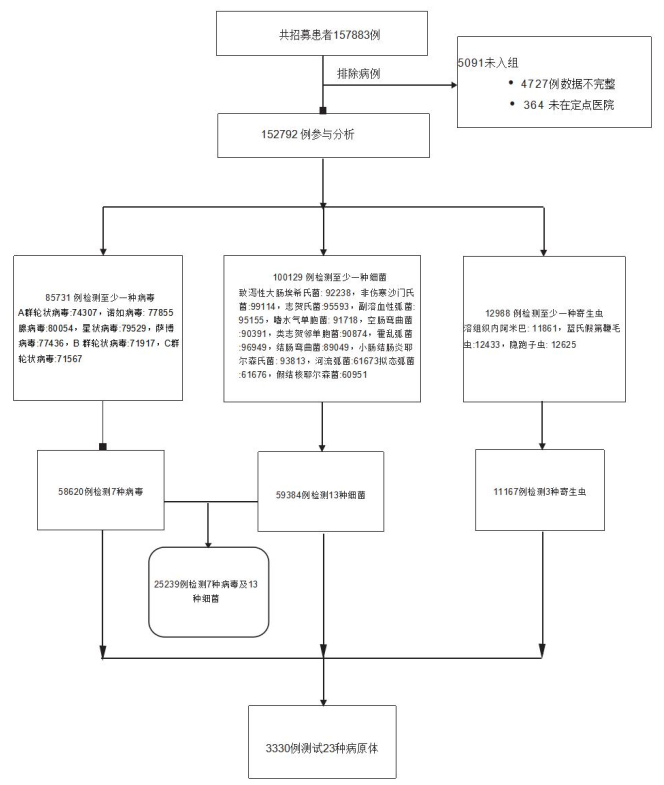
Figure 2 Data acquisition flowchart
study results
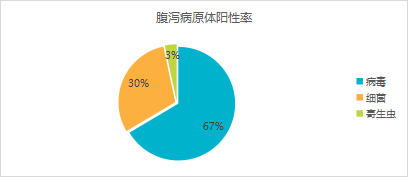
Diarrhea pathogen positivity rate
Virus is 67%, the positive rate of bacteria is 30%, and the positive rate of parasites is 3%.
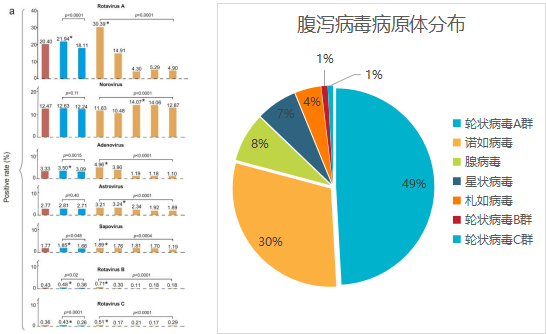
[Viral diarrhea]
Rotavirus group A: 20.40%, Norovirus: 12.47%, Adenovirus: 3.33%, Astrovirus: 2.77%, Zaruvirus: 1.77%, Rotavirus group B: 0.43%, rotavirus group C: 0.36%.
[Bacterial diarrhea]
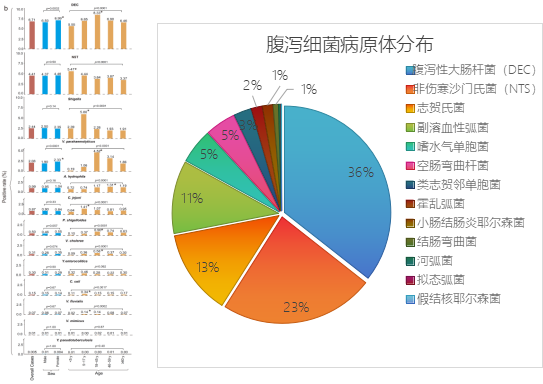
Escherichia coli coli (DEC): 6.71%, Salmonella typhi (NTS): 4.41%, Shigella: 2.44%, Vibrio parahaemolyticus: 2.08%, Aeromonas hydrophila: 0.99%, Campylobacter jejuni: 0.87%, O-Shigamonas: 0.50%, Vibrio cholerae: 0.31%, Yersinia enterocolitis: 0.30%, Campylobacter colicornus: 0.15%, Vibrio fava: 0.07%, Vibrio mimicriformans: 0.01%, Yersinia pseudotuberculosis: 0.005%.
[Parasitic diarrhea]
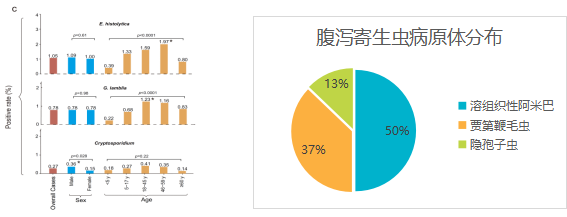
Histolytic amoeba: 1.05%, Giardia: 0.78%, Cryptosporidium: 0.27%.
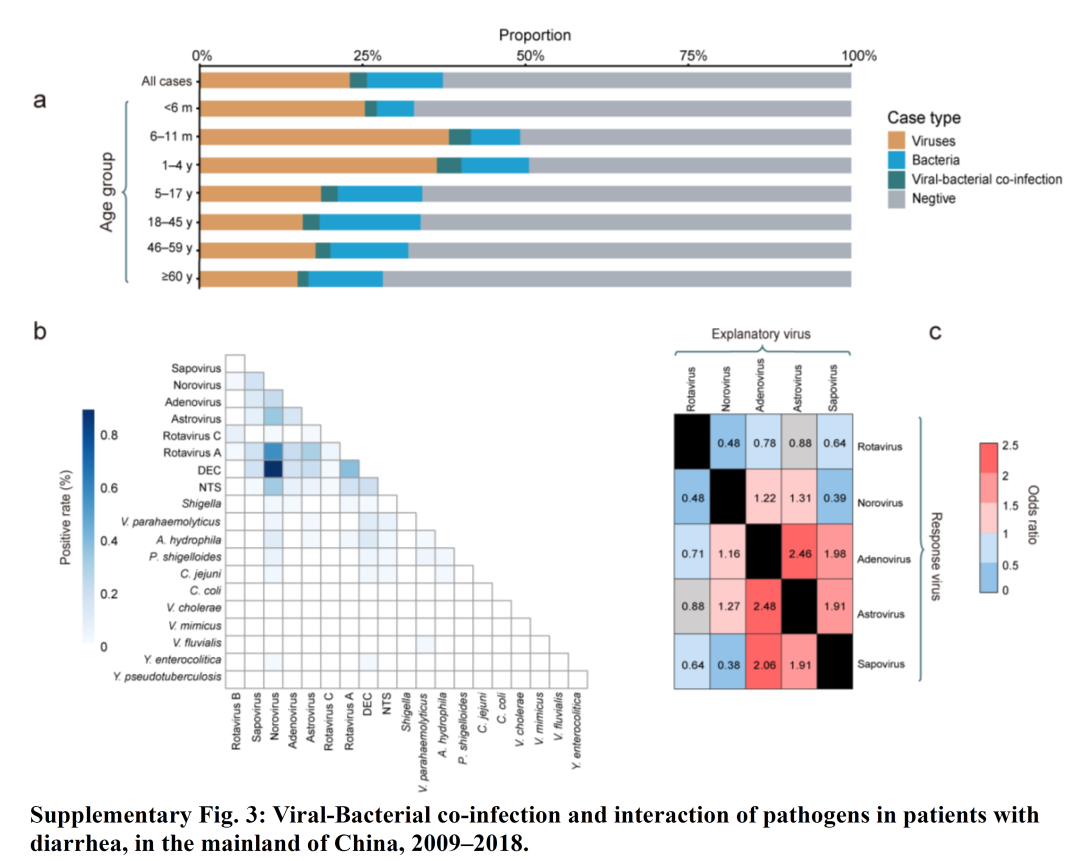
[Virus-bacterial co-infection rate: 2.63%]
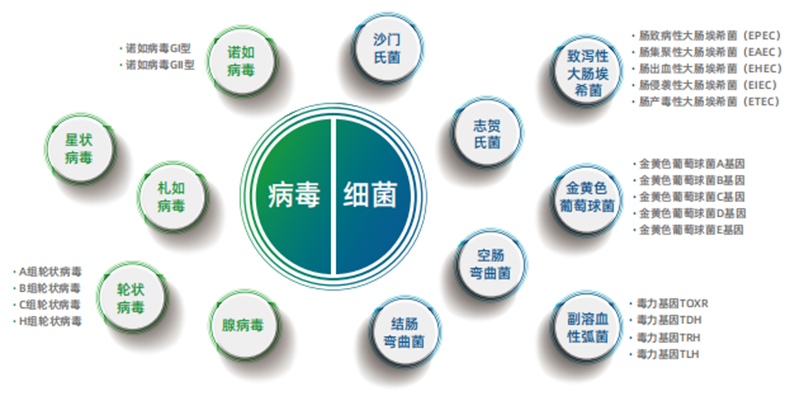
Mainly occurs in rotavirus group A, norovirus, adenovirus, zaruvirus, astrovirus, diarrheagenic Escherichia coli, and non-typhoid Salmonella.
[virus]
Patients under 18 years of age, the top three viral pathogens are rotavirus A, norovirus and adenovirus are the first three major viral pathogens; The main pathogen in the <5-year-old age group is rotavirus A, which is replaced by norovirus in the 5-17-year-old age group. In adults (≥ 18 years), norovirus remains the main pathogen, followed by group A rotavirus and astrovirus.
[bacteria]
DEC and NTS are the main bacterial pathogens in children under 18 years of age, and DEC, NTS, and Vibrio parahaemolyticus are the main pathogens in adult patients (≥18 years of age).
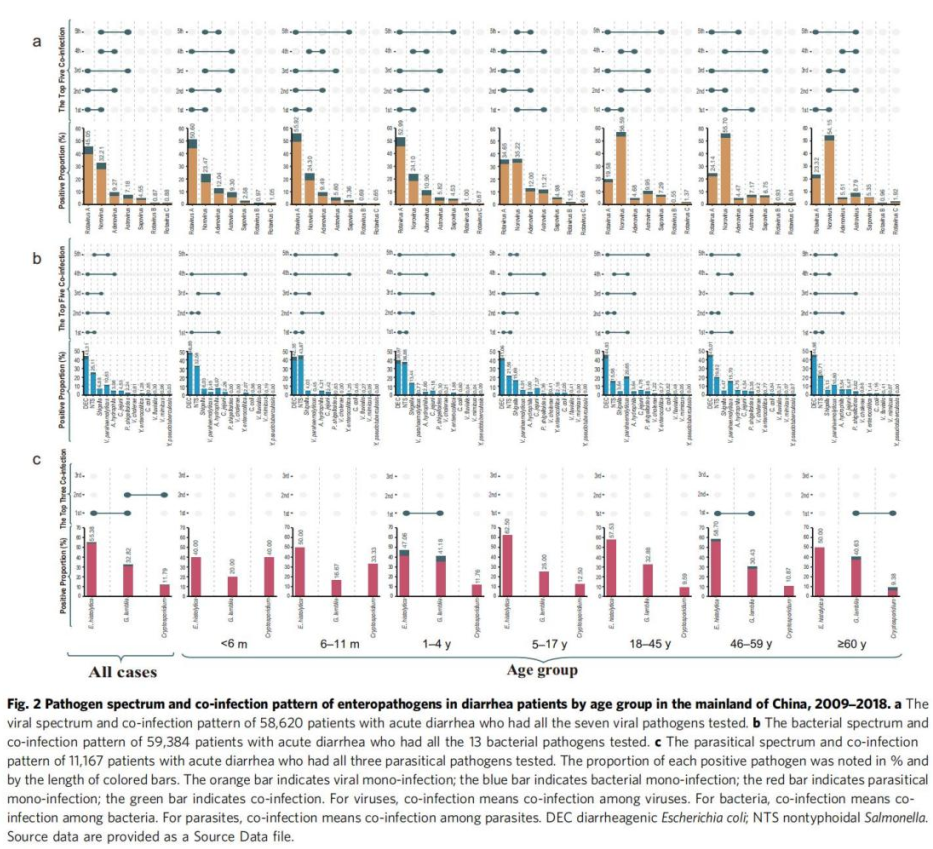
Study found that rotavirus A and norovirus were the two main viral pathogens detected in patients, followed by adenovirus and astrovirus. Diarrhealogenic Escherichia coli and nontyphoid Salmonella are the two main bacterial pathogens, followed by Shigella and Vibrio parahaemolyticus.< 5-year-old patients had a higher overall positive rate for viral pathogens, while bacterial pathogens were more common in patients aged 18-45 years. The results of study fill the gap in the epidemiological characteristics of pathogens in Chinese diarrhea patients, and are of great significance for enhancing the identification and diagnosis of major diarrhea in clinical practice and the more targeted application of prevention and control measures in the field of public health.

Diarrhea pathogen nucleic acid detection solution
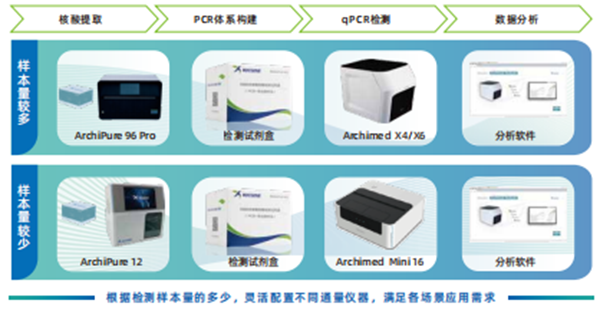
Single and joint testing multiple combinations to meet different testing needs
06
16
08
18


 +86-010-86229225
 info@rocgene.com
 CN
CN