

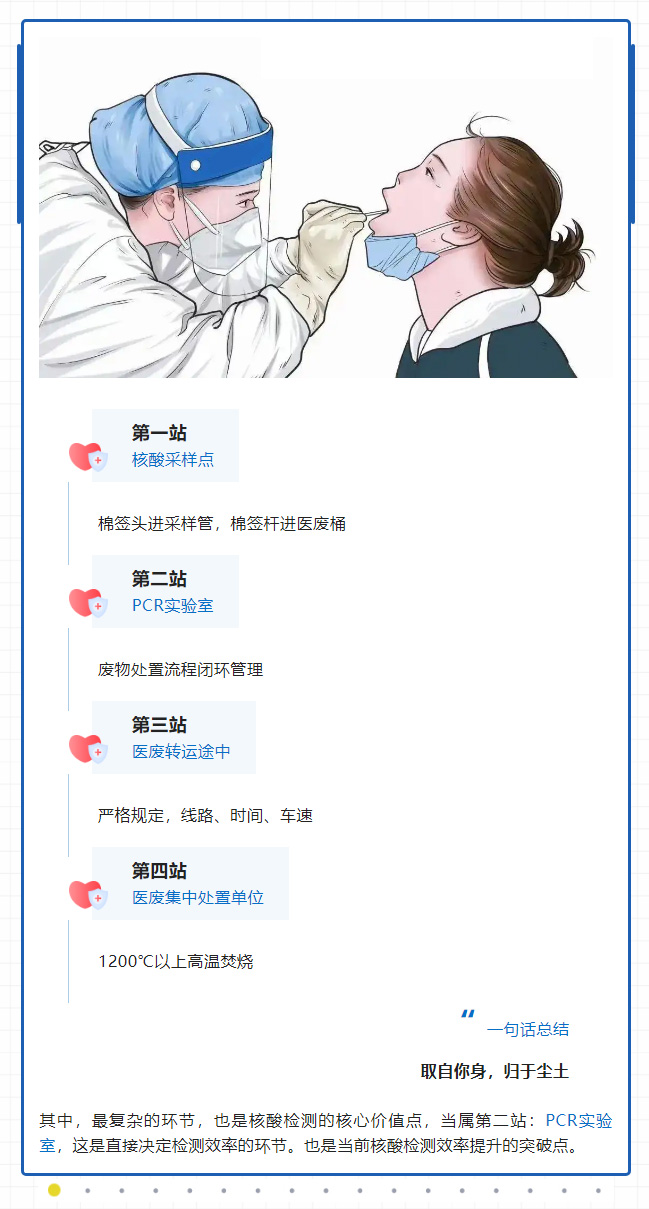
COVID-19 has been a major global concern in recent years, spreading widely around the world and becoming familiar to everyone. Nucleic acid testing, as an effective screening method for COVID-19, is also well known. For most people, the process of nucleic acid testing can be simply summarized as: “show ID, swab throat or nose, wait for the result”. Today, let us take you through what happens to your throat swab between the moment it is collected and when you receive your report.
The Life of a Nucleic Acid Throat Swab
About PCR Laboratories
For the general public, laboratories used to be quite distant. Due to the surge in COVID-19 nucleic acid testing demand, large‑scale testing bases have been built in many regions. To improve efficiency, laboratories have moved out of traditional buildings: mobile laboratories can now be quickly set up on streets, in squares, and other locations as needed.
Nucleic Acid Testing Base
Mobile Cabin Laboratory
Air‑filled Membrane Laboratory
Easily confused?
Nucleic Acid Testing Base
These are standard permanent laboratories, mainly located in CDCs, hospitals, third‑party testing institutions, and research labs. After the outbreak of COVID-19, many regions built dedicated nucleic acid testing bases. They require a long construction period and substantial human and material resources.
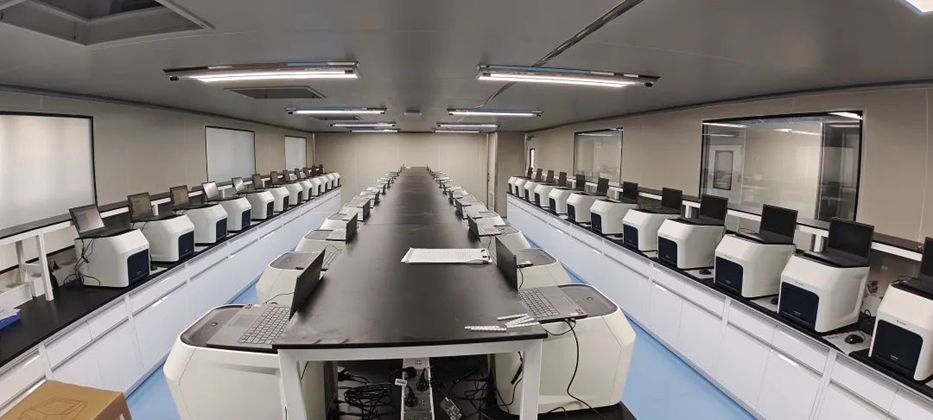
Quzhou Nucleic Acid Testing Base, Zhejiang
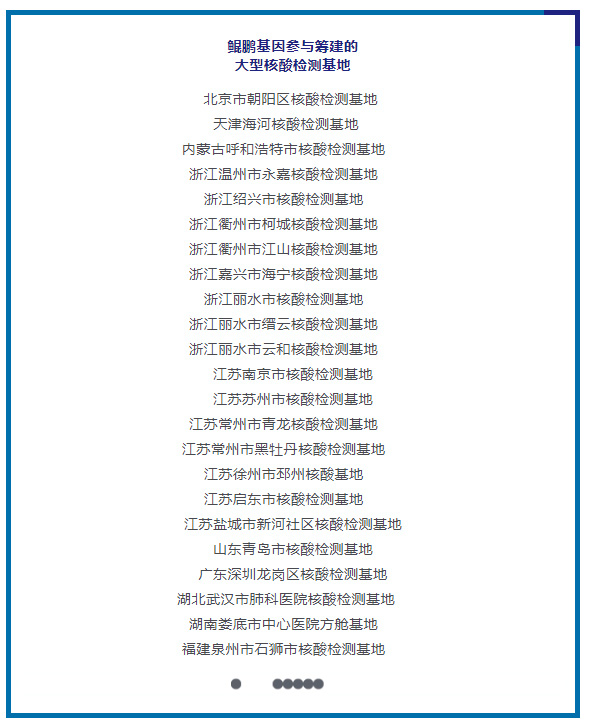
Rocgene has participated in the construction of more than 100 nucleic acid testing bases, and our Little Amy real‑time PCR instruments are widely used across the country!
Mobile Cabin Laboratory
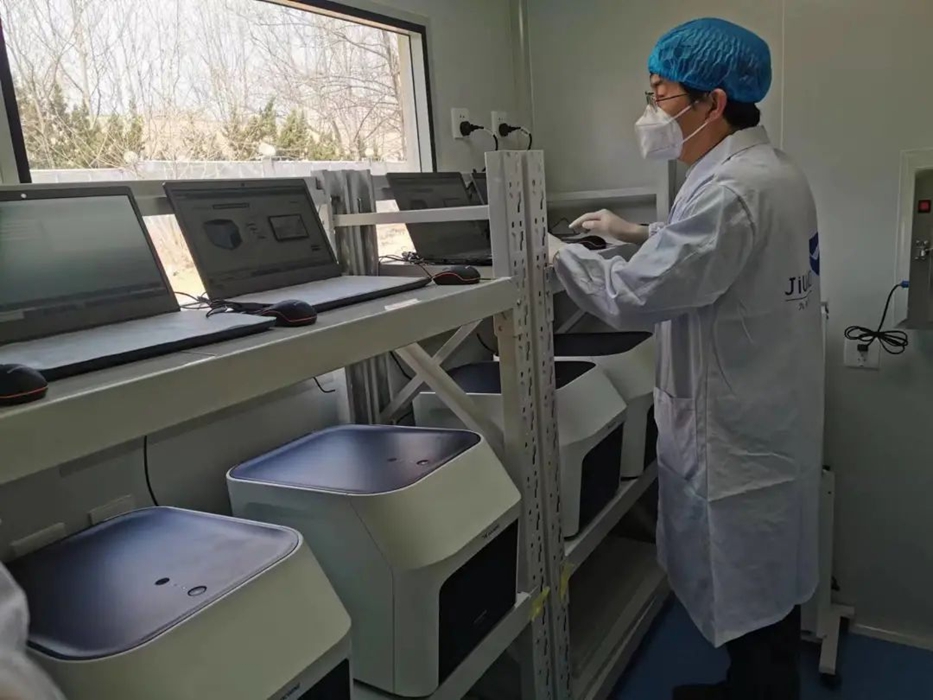
It is a compact, fully equipped nucleic acid testing laboratory. It offers flexible deployment and mobility, breaking geographical restrictions and adapting to harsh and extreme environments. It provides timely testing services and greatly improves testing capacity and emergency response capabilities during outbreaks.
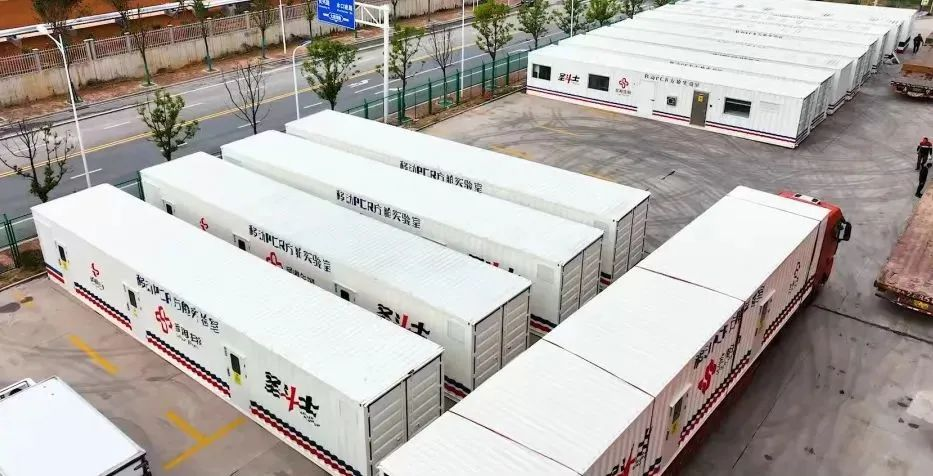
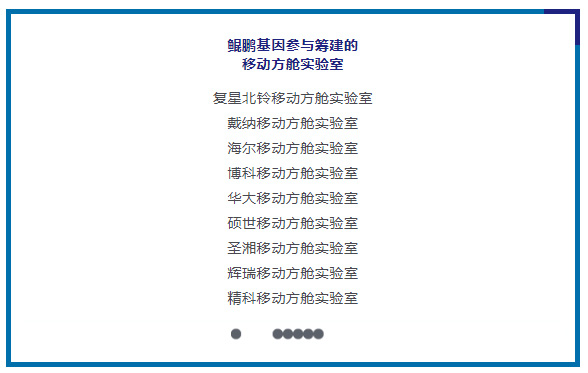
Sansure Mobile Cabin Laboratory – Saint Seiya
Air‑filled Membrane Laboratory
Constructed from enclosed inflatable tents, it can accommodate hundreds of testing instruments and support nearly one million tests per day. It is easy to install: only simple site leveling is needed before installation, inflation, and commissioning. It can be fully set up in one day and immediately put into anti‑epidemic operations.

Adicon “Blue Whale” Air‑filled Membrane Mobile Laboratory
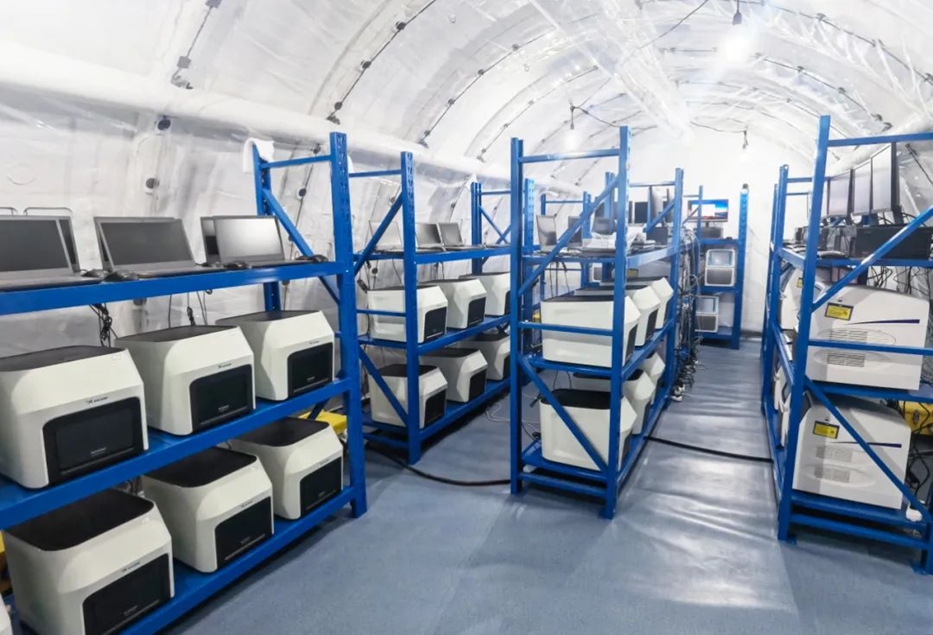
To date, Rocgene’s Little Amy real‑time PCR instruments have been deployed in numerous air‑filled membrane laboratories, including those of Tsinghua University, Adicon, Dian Diagnostics, Skysea, Sansure, and more.

The Nucleic Acid Testing Process
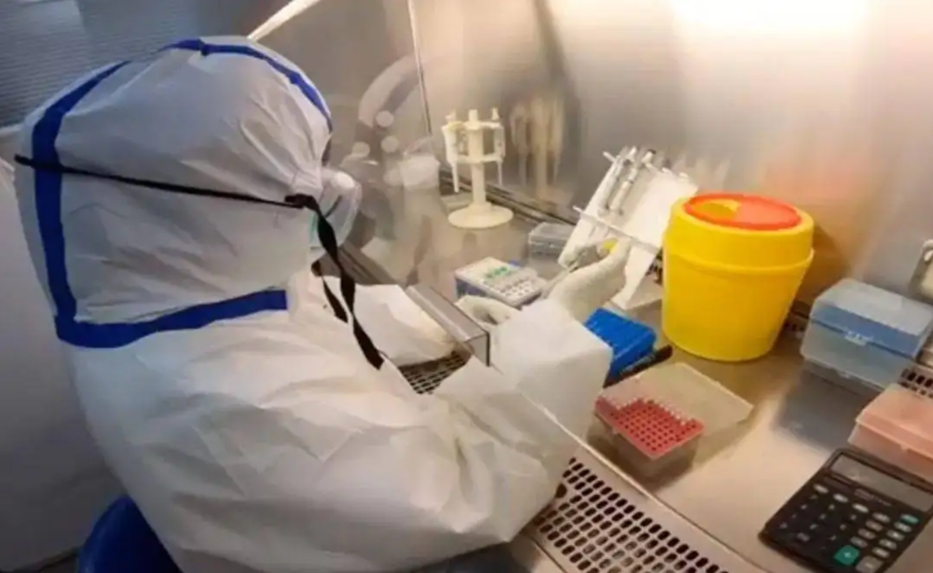
Testing Workflow
1. Prepare PCR amplification reagents with manual, contamination‑free operation
2. Receive and register samples, scan codes into the system
3. Vortex samples to release cells from the swab into the tube
4. Open caps, load samples into extraction plates using pipettes to avoid contamination
5. Extract nucleic acid using an automatic extractor, then transfer the template into amplification tubes
6. Amplify in a real‑time quantitative PCR instrument, taking about 2 hours
7. Analyze data, interpret results, and upload reports
Despite seeming simple, the entire process takes at least 4 hours.
During outbreaks, laboratory staff must complete testing as quickly as possible. Facing massive numbers of samples, they often work day and night without rest. As a core force in the fight against the epidemic, they quietly build a solid “protection line” for epidemic prevention and control. With countless “close contacts” with viruses, nucleic acid testing laboratories are a hidden “battlefield” invisible to the public.
06
16
08
18


 +86-010-86229225
 info@rocgene.com
 CN
CN