

Diarrheogenic Escherichia coli (DEC) refers to a group of Escherichia coli strains that cause diarrhea as the main symptom in humans, which can lead to gastroenteritis and malabsorption, etc. It is transmitted through contaminated food, can infect people of all age groups, and has obvious seasonal epidemic characteristics, with high incidence in summer and autumn.
Commonly Contaminated Foods:
Meat and meat products, milk and dairy products, eggs and egg products, vegetables, fruits, beverages, etc.
DEC Detection Rate:
Detection rate of bacterial pathogens in patients with acute diarrhea (Figure 1) [1], the positive rate of DEC is 6.71%, making it the primary diarrheal pathogenic bacterium.
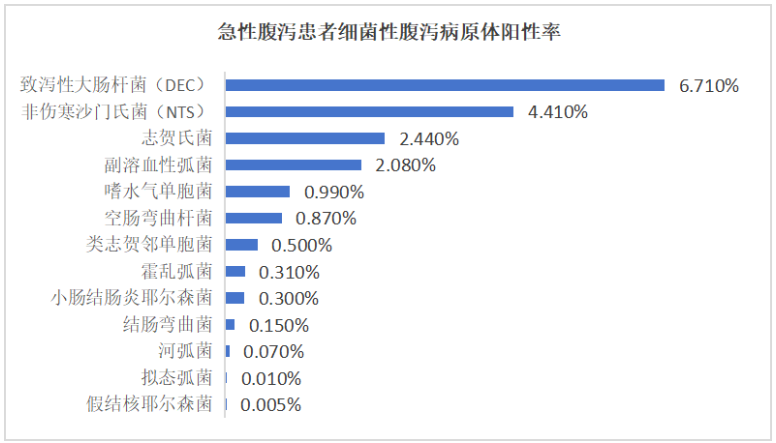
Figure 1
DEC Classification
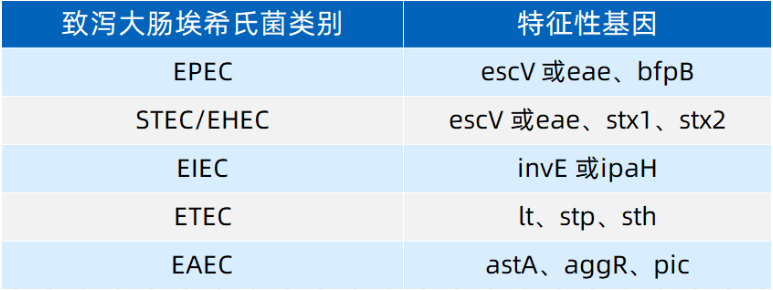
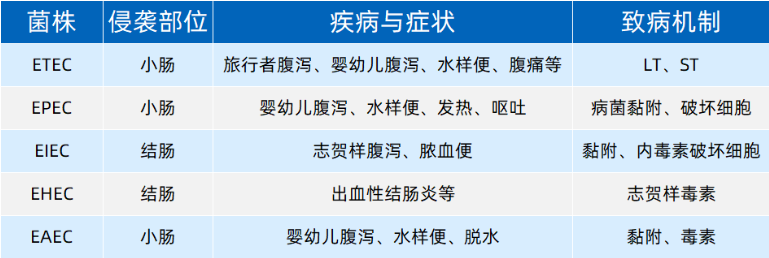
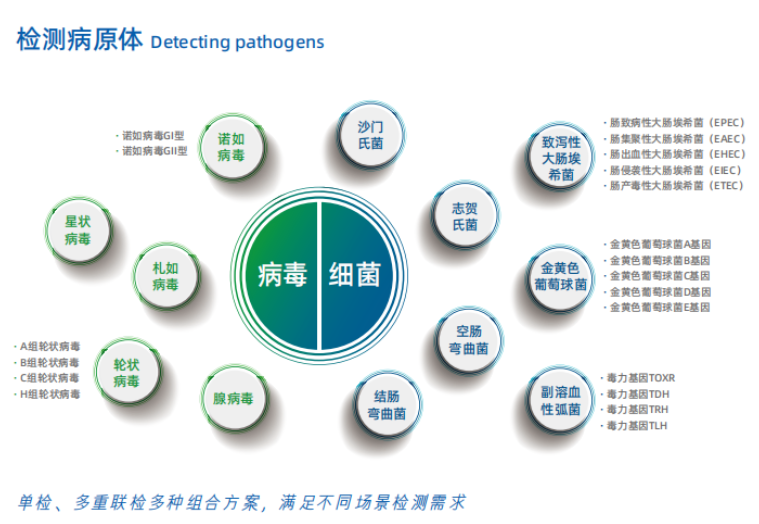
According to virulence genes, pathogenic mechanisms and epidemiological characteristics, it is divided into 5 pathogenic types:
♦ Enterotoxigenic Escherichia coli (ETEC)
♦ Enteroaggregative Escherichia coli (EAEC)
♦ Enteroinvasive Escherichia coli (EIEC)
♦ Enteropathogenic Escherichia coli (EPEC)
♦ Enterohemorrhagic Escherichia coli (EHEC)
Comparison Table of Five DEC Pathotypes and Characteristic Genes
Types and Invasion Sites of Diarrheogenic Escherichia coli
DEC Epidemic Trends
DEC infections showed an upward trend from 2009 to 2018, with an inflection point in 2013; EAEC and EHEC showed roughly similar trends. EPEC and ETEC showed a continuous upward trend; EIEC showed a significant downward trend [2].
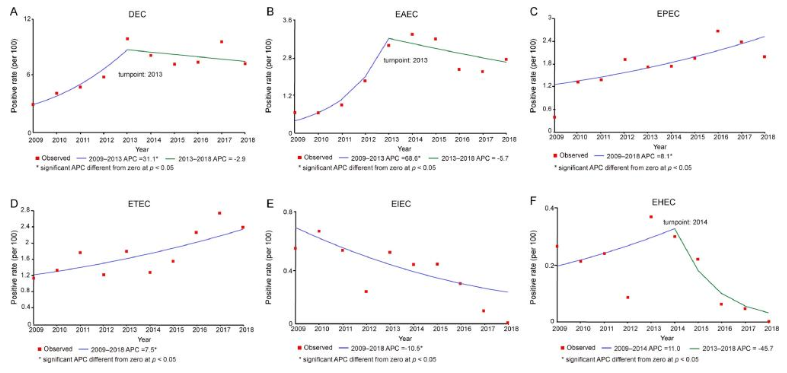
Figure 2 Annual epidemic trends of DEC in patients with acute diarrhea in mainland China from 2009 to 2018
(A)DEC;(B) EAEC;(C) EPEC;(D) ETEC;(E) EIEC;(F)EHEC.
Geographical Distribution of DEC
There are significant differences in the prevalence of DEC among different provinces and cities. Ningxia has the highest prevalence, followed by Beijing, Anhui Province and Zhejiang Province (Figure 3) [2].
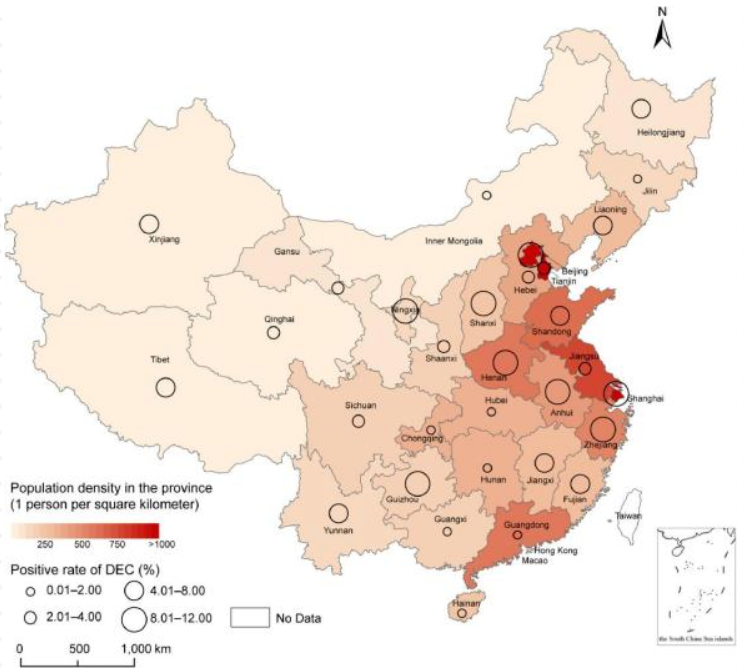
Figure 3 Geographical distribution of DEC in patients with acute diarrhea in mainland China from 2009 to 2018
Background color indicates population density of each province, and circle size indicates the positive rate of DEC.
Current Status of Diagnosis and Treatment
There are about 70 million cases of infectious diarrhea in China every year, but only 5.0% of cases have accurate identification of pathogenic microorganisms, and most are treated with antibiotics empirically [3]. Due to the extensive use of antibiotics, high-level drug-resistant strains of DEC have emerged. The WHO treatment guidelines do not recommend routine use of antibiotics for diarrhea, especially for diarrhea with unknown pathogens.
PCR Detection Aids Precise Diagnosis and Treatment of DEC
After enrichment, isolation and biochemical identification, PCR confirmation test is performed, and serological test is optional, finally the test report is obtained.
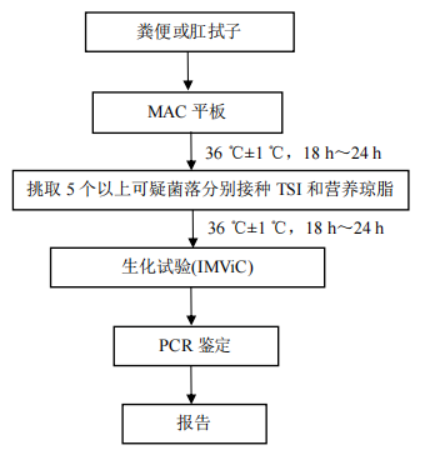
DEC Testing Process
Biochemical tests: The results of IMViC (Indole, Methyl Red, Acetoin, Citrate) series biochemical tests for identifying DEC are ++-- or -+--.
PCR Confirmation Test
The five types of DEC have consistent biochemical reactions with Escherichia coli and cannot be distinguished, so further confirmation by PCR is required.

Rocgene
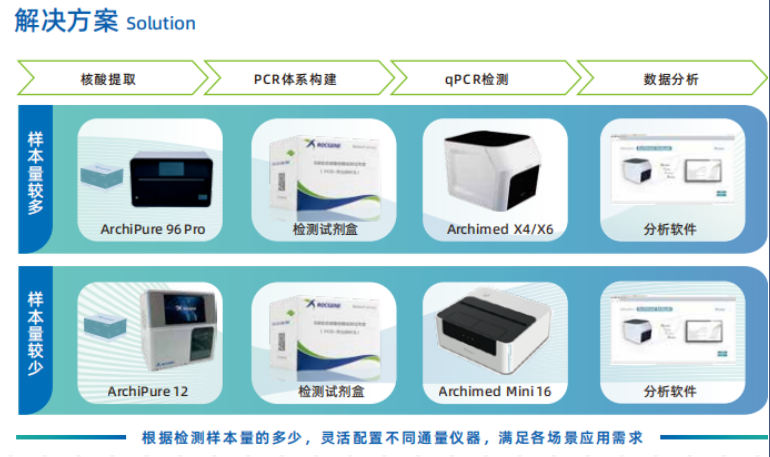
Nucleic Acid Detection Solution for Diarrheal Pathogens
DEC Nucleic Acid Detection Kit Series
Technical Principle: Multiplex Fluorescent PCR Technology
Sample Types: Feces, vomitus, anal swabs, etc.
Detection Targets: Qualitative detection of 12 specific genes of five diarrheogenic E. coli strains, in line with the current inspection standard GB 4789.6-2016 National Food Safety Standard - Microbiological Examination of Foods - Examination of Diarrheogenic Escherichia coli
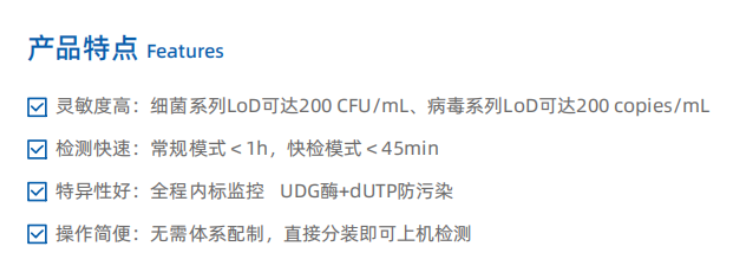
Detection LoD: Basically 100-200 copies/mL, some targets are 1000 copies/mL
Detection Time: <1 hour in regular mode, <45 minutes in fast mode
References
1. Wang L P, Zhou S X, Wang X, et al. Etiological, epidemiological, and clinical features of acute diarrhea in China[J]. Nature Communications, 2021, 12(1): 2464.
2. Zhou S X, Wang L P, Liu M Y, et al. Characteristics of diarrheagenic Escherichia coli among patients with acute diarrhea in China, 2009‒2018[J]. Journal of Infection, 2021, 83(4): 424-432.
3. Zhao J Y, Zhou Q Q, Wang M, et al. Clinical epidemiological characteristics of foodborne diarrhea caused by diarrheogenic Escherichia coli in adults in 2016 and 2019[J]. Chinese Journal of Laboratory Medicine, 2021, 44(4):7. DOI:10.3760/cma.j.cn114452-20201208-00884.
06
16
08
18


 +86-010-86229225
 info@rocgene.com
 CN
CN