

Pathogen nucleic acid detection includes sample collection, nucleic acid extraction, and nucleic acid amplification. The handling and storage of different samples, timing and site of collection, efficiency of nucleic acid extraction, and sensitivity of amplification reagents all affect final result interpretation. You are likely familiar with nucleic acid extraction and PCR amplification. But how much do you know about sample collection and pretreatment?
Common clinical sample types for pathogen nucleic acid detection include tissue, blood, swabs, sputum, etc. Some samples are highly viscous, leading to poor extraction efficiency if processed directly. Different samples require different storage methods and operational precautions.
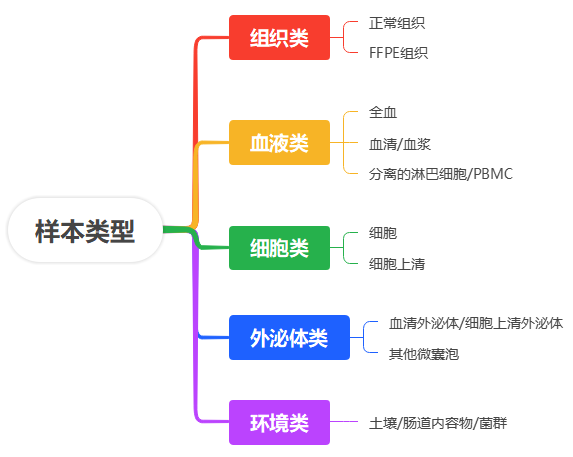
01 Tissue Samples
Tissue samples cannot be fully lysed in a short time and generally require pretreatment. Fresh tissue should be washed twice with normal saline, then ground into homogenate with glass sand or a tissue grinder. Add normal saline or PBS, mix vigorously by vortexing, centrifuge, and use the supernatant for nucleic acid extraction.
Notes: It is recommended that any side of the tissue sample be no larger than 5 mm, and it should be placed in 10 volumes of preservation solution. If the tissue is too thick, slow penetration of the solution may cause nucleic acid degradation.

02 Whole Blood Samples
Blood can be stored in vacuum blood collection tubes containing anticoagulant. Various anticoagulants are available, and the type directly affects downstream results. EDTA or sodium citrate tubes are recommended. Invert gently to mix after collection.
Heparin is difficult to remove during extraction and strongly inhibits PCR. Therefore, heparin tubes are NOT recommended.
Sample characteristics: Blood has a complex matrix including RBC, WBC, proteins, platelets, etc. Sufficient lysis and thorough impurity removal are essential. Residual proteins or salts may interfere with downstream experiments.
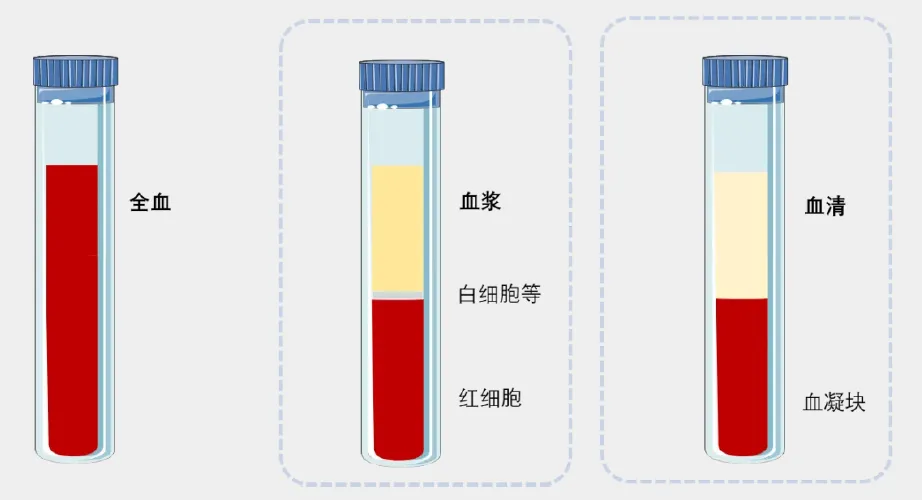
03 Serum or Plasma Samples
Serum is the supernatant from clotted whole blood (no anticoagulant). Plasma is the supernatant from anticoagulated whole blood. Allow whole blood to stand for 1–2 h, centrifuge at 3000 rpm for 15 min to obtain serum or plasma.
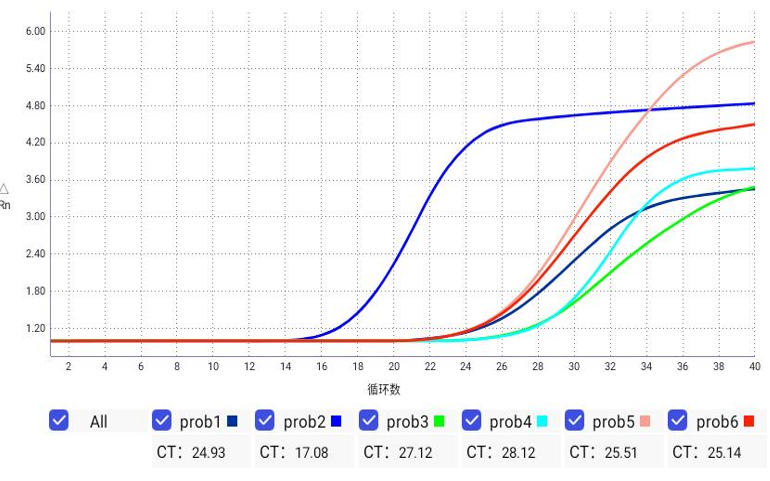
Rocgene HCV results, Sample: Blood
04 Swab Samples
Swab samples are usually stored in viral transport medium (VTM) tubes, which are classified as inactivating or non-inactivating based on the buffer formula. Collected samples can be processed immediately or stored at -20°C for up to 3 months, avoiding repeated freeze-thaw cycles. Samples should be shipped sealed with dry ice or ice packs.
Notes: Swab material affects test results. Use non-cotton, non-alginate swabs (polyester, nylon) with non-wood shafts. Flocked nylon swabs have superior water absorption, release, and viral stability.
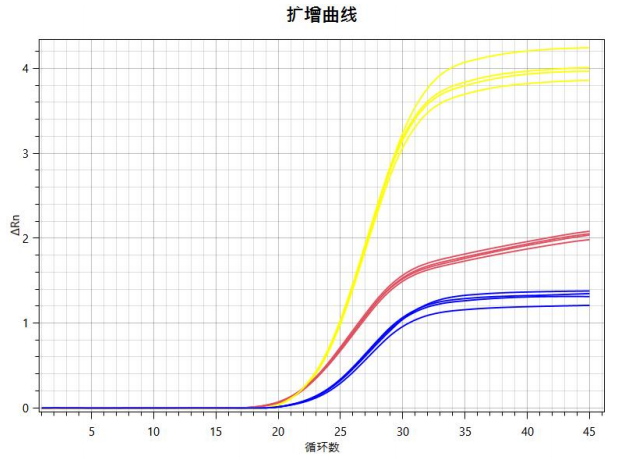
Rocgene results for COVID-19, Flu A/B, Sample: Swab
05 Sputum Samples
Sputum contains large amounts of mucin and impurities and is highly viscous, so direct extraction is inefficient. Pretreatment is required: liquefy with NaOH or denaturant, centrifuge, and use the precipitate for nucleic acid extraction.
Notes: Do not mix with saliva or nasal secretions. For patients with little or no sputum, 45°C 0.9% NaCl nebulization can help collection.
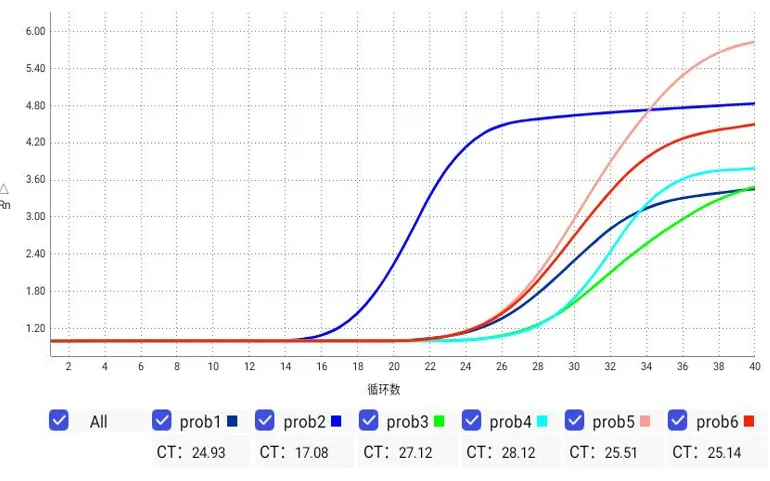
Rocgene TB results, Sample: Sputum
In summary, proper sample collection and pretreatment are prerequisites for successful nucleic acid extraction and improve the reliability of pathogen nucleic acid detection.
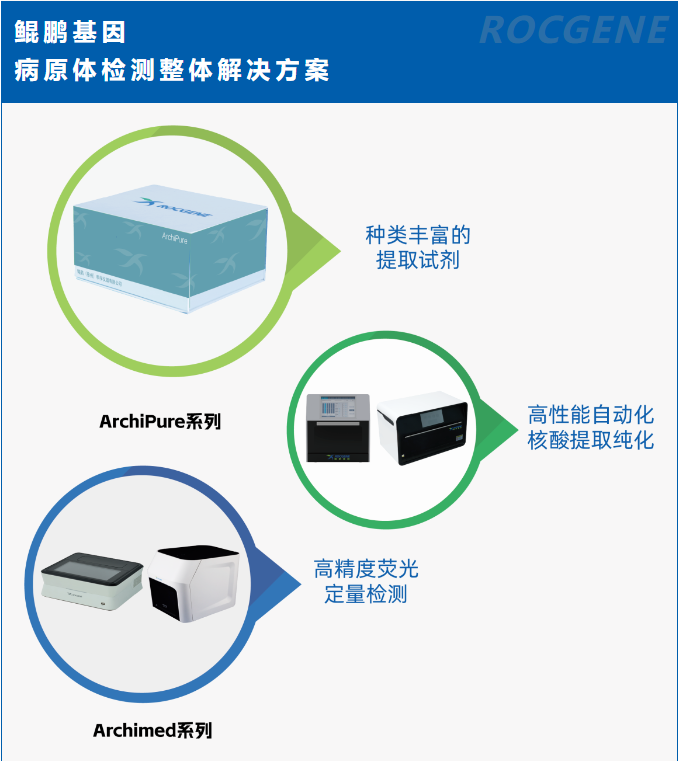
As a provider of comprehensive genetic testing solutions, Rocgene has independently developed a series of pathogen nucleic acid extraction products — the ArchiPure Series, including extraction reagents for various sample types and purification instruments of different throughputs. Combined with the Archimed Series detection systems, it enables one‑stop sample‑to‑answer workflow in as fast as 25 minutes.
Flexible throughput supports random‑access testing. Multi‑color fluorescence channels are compatible with most commercial kits. Well‑to‑well uniformity and accuracy reach ±0.15°C, ensuring high detection rate and reliability.
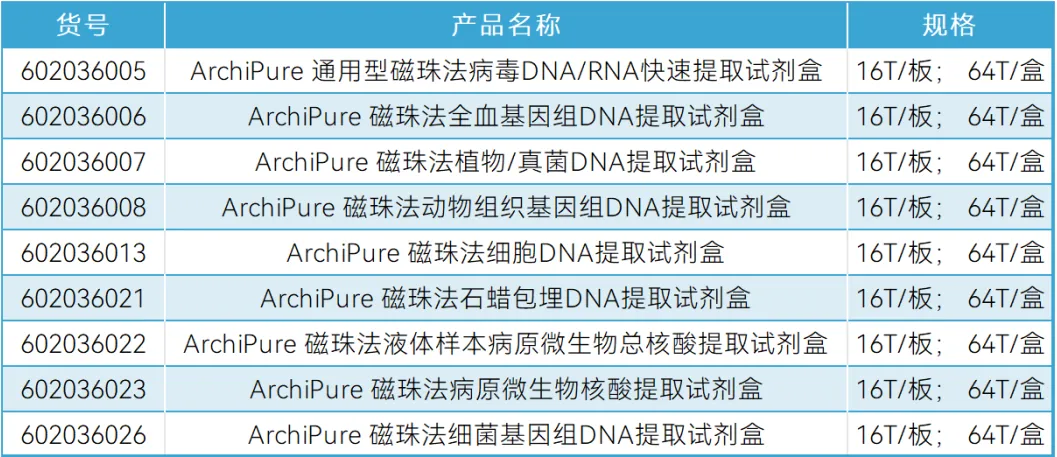
ArchiPure Kit List
06
16
08
18


 +86-010-86229225
 info@rocgene.com
 CN
CN