

With the acceleration of modern lifestyles and changes in dietary habits, fatty liver disease has become an increasingly common health issue, especially amid rapid urbanization and improved living standards. Fatty liver disease, particularly non‑alcoholic fatty liver disease (NAFLD), has become one of the most prevalent chronic metabolic liver diseases affecting hundreds of millions of people worldwide. It is characterized by excessive fat accumulation in hepatocytes, which can progress to liver fibrosis in severe cases. Although NAFLD represents a major public health concern, its exact pathogenesis remains to be further elucidated.
A hallmark of obesity is chronic low‑grade inflammation in adipose tissue (AT), which contributes to a range of metabolic disorders, including type 2 diabetes and cardiovascular disease. Inflammation in AT is mainly characterized by macrophage infiltration into adipose tissue and activation of inflammatory pathways mediated by NF‑κB, JNK, and the NLRP3 inflammasome. In addition, adipose tissue secretes various cytokines that are not specifically expressed in adipose tissue, such as tumor necrosis factor‑α (TNF‑α), interleukin‑6 (IL‑6), and monocyte chemoattractant protein‑1 (MCP‑1). These inflammatory factors not only induce local inflammation in adipose tissue but also are considered important drivers of the development and progression of fatty liver disease.
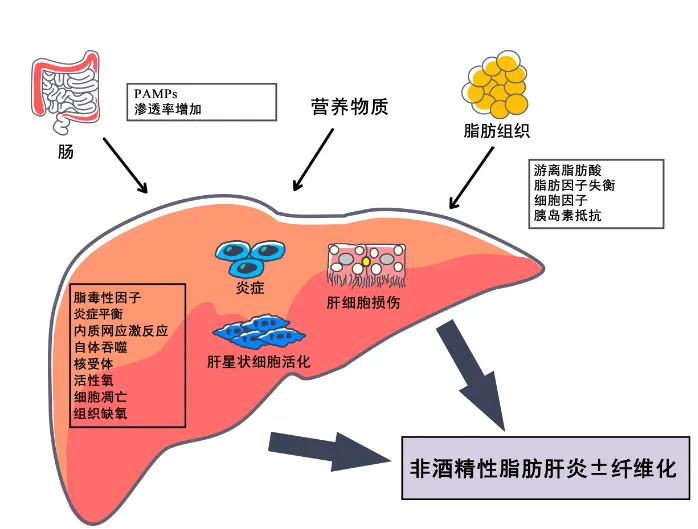
Against this background, molecular detection technologies, especially quantitative real‑time PCR (qPCR), have been widely used in the quantitative analysis of signaling molecules and inflammatory factors due to their high sensitivity and specificity, making them indispensable tools for studying fatty liver and related metabolic disorders.
According to relevant literature, qPCR can be used to analyze mRNA expression levels of genes involved in fatty liver development, including CD36, FABP‑1, SLC27A1, SCD1, PLIN2, and SREBP‑1, in mice subjected to different dietary interventions. Meanwhile, results have shown that mRNA expression of hepatic inflammatory factors is higher in senna‑induced (SD) mice than in wild‑type (WT) control mice.

qPCR analysis of liver samples from mice with different dietary interventions for gene expression profiling of signaling pathway genes and inflammatory genes mediating fatty liver development
ROCGENE Archimed Series Real‑Time PCR Systems
Archimed series real‑time PCR systems from Rocgene, with their outstanding performance and advanced functions, play a vital role in such research. Its supporting analysis software, Archimed Analyzer, offers multiple built‑in analysis modes. Researchers can select appropriate methods based on actual experimental needs to achieve more efficient experimental design and data analysis. According to specific experimental designs and applications, users can choose either **Relative Quantification (Dual Standard Curves)** or **Relative Quantification (ΔΔCq)** in the Archimed Analyzer software to easily perform comparative analysis of gene expression levels.
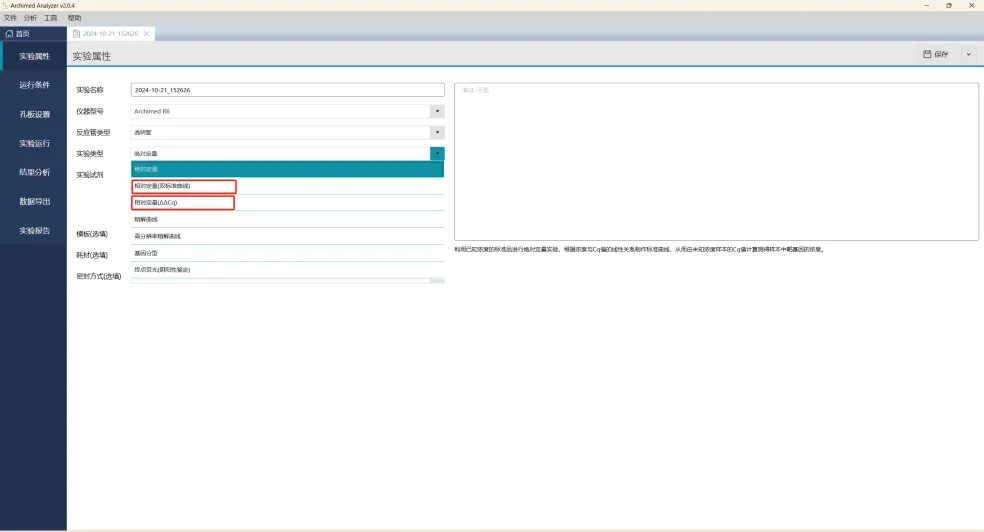
Multiple experimental analysis modes built into Archimed Analyzer
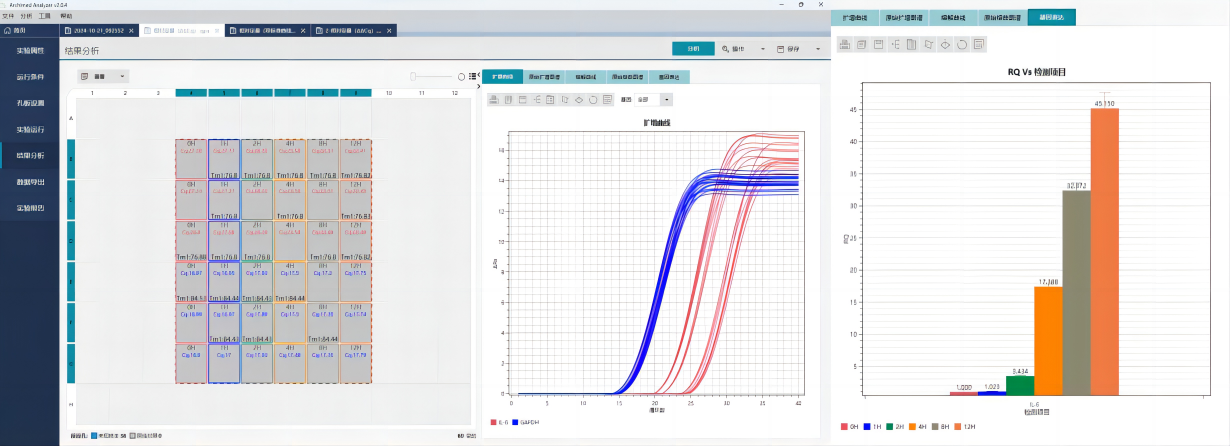
Rocgene Archimed R4 – Relative Quantification (ΔΔCq) Test Data
Key Advantages
Archimed Series
Sensitivity and Specificity
Accurately detects low‑abundance target RNA/DNA, ensuring reliable quantification of key genes such as PPARγ, SREBP‑1c, FAS, and inflammatory factors.
Efficiency and Simplified Operation
The intuitive software interface and user‑friendly workflow improve experimental efficiency. Multiple analytical methods are available, allowing researchers to focus on data interpretation rather than tedious procedures.
High‑Throughput Detection
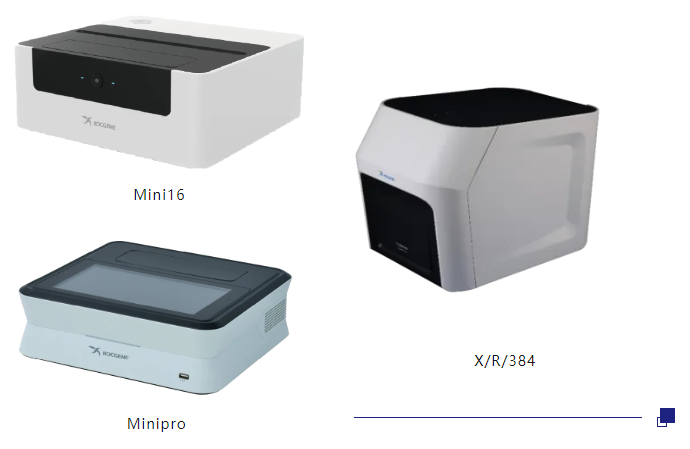
Archimed series models are equipped with 2–6 optical channels and offer 16‑well, 96‑well, and 384‑well formats, meeting the needs of target gene detection in multiple mouse strains and enabling flexible experimental design.
Multiplex Target Detection
Using an innovative time‑resolved scanning mode, the Archimed series achieves higher sensitivity and lower optical crosstalk, supporting comprehensive profiling of multiple genes related to fatty liver.
Real‑Time Monitoring and Data Analysis
Powerful built‑in software supports real‑time monitoring of PCR amplification and provides intuitive data analysis tools, helping researchers obtain results rapidly.
Using the Archimed X series real‑time PCR systems, researchers can more effectively investigate NAFLD and other metabolism‑related fatty liver diseases. This includes quantitative analysis of inflammatory cytokines mediating steatohepatitis, fibrosis markers such as α‑smooth muscle actin (α‑SMA), transforming growth factor‑β (TGF‑β), and Collagen Type I, as well as signaling genes involved in exploring the molecular mechanisms of fatty liver, providing strong support for revealing disease mechanisms and identifying novel therapeutic strategies.
In addition, qPCR plays an effective role in biomarker detection and molecular mechanism research for metabolic diseases related to fatty liver, such as diabetes, obesity, and nephritis. Therefore, in modern medicine, qPCR technology is gradually transforming our understanding and management of diseases.
ROCGENE
Rocgene is committed to translating cutting‑edge technologies in life science research into clinically relevant medical products, developing research and molecular diagnostic tools with independent intellectual property rights.
06
16
08
18


 +86-010-86229225
 info@rocgene.com
 CN
CN