

The Giant in Cell Biology: CHO Series
Part 2
The Top Workhorse
In the previous article, we reviewed the discovery history of Chinese Hamster Ovary (CHO) cells and their unparalleled advantages in biopharmaceuticals. As the most widely used host for the expression and production of biological products, CHO cell lines are applied to manufacture interferons, interleukins, EPO, monoclonal antibodies, diagnostic reagents, recombinant protein vaccines, and more. This article details the specific applications of CHO cells.
Pharmaceutical Production
CHO cells are widely used in large‑scale production of recombinant protein drugs due to their stable genetic characteristics and high product expression capacity. Using genetic engineering, foreign genes can be introduced into CHO cells to produce desired target proteins such as antibodies, growth factors, enzymes, and hormones.
CHO cells can be adapted to serum‑free media through suspension domestication and achieve rapid, high‑density growth, greatly facilitating quality control and large‑scale manufacturing. In addition, recombinant proteins expressed in CHO cells undergo post‑translational modifications similar to human proteins, including glycosylation and sialylation, making them more similar to native human proteins than those from other expression systems.
Vaccine Development
CHO cells also play a key role in vaccine development. Antigen genes from pathogens are introduced into CHO cells via genetic engineering to express target antigens, stimulating immune responses for vaccine production.
Approximately 30 genetic engineering products are approved globally for human disease treatment or prevention. Except for the hepatitis B vaccine produced in yeast, all others are manufactured in CHO cells or E. coli. Compared with E. coli, CHO cells can form active dimers (e.g., interleukin‑2) and perform glycosylation (e.g., EPO), making them a more ideal host for expressing complex biological macromolecules.
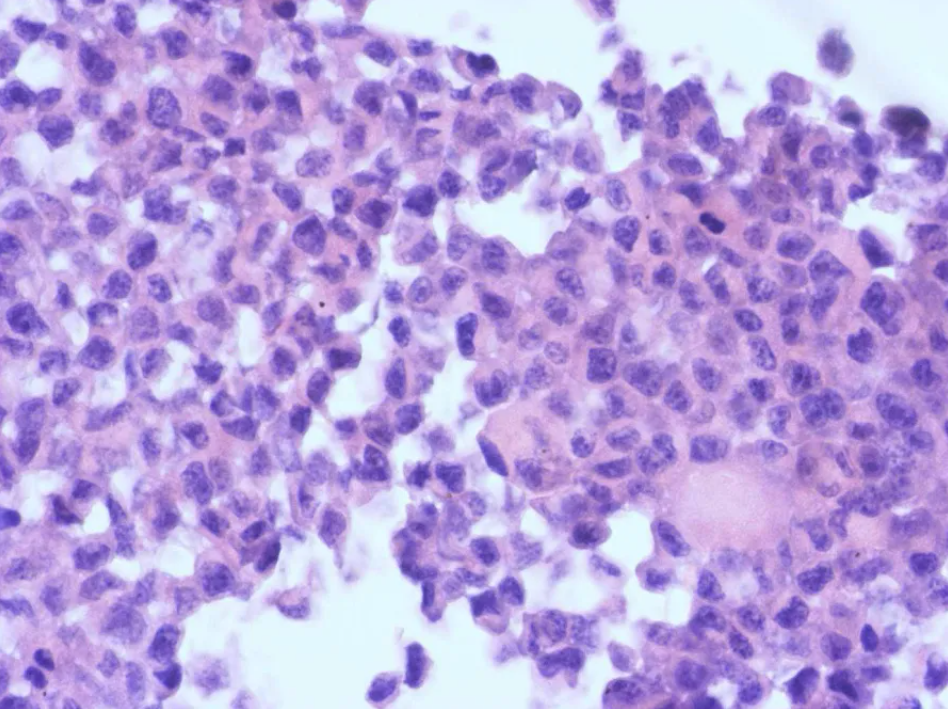
CHO Cells
Disease Models
CHO cells are commonly used to establish and study disease models. Gene editing can simulate disease‑related mutations in CHO cells. Studying these modified CHO cells deepens understanding of disease pathogenesis and provides a theoretical basis for diagnosis and treatment.
Genetic Engineering
CHO cells are widely applied in genetic engineering, which modifies an organism’s genetic information to achieve new traits or functions. Using gene‑editing technologies such as CRISPR/Cas9, TALEN, and ZFN, specific genes in CHO cells can be precisely modified for research and regulation. Through genetic engineering, CHO cells are transformed into cell factories for producing valuable biological products.
As a common host for biomanufacturing, DNA released from lysed CHO cells carries potential risks of tumorigenicity, mutagenicity, and immunogenicity. Therefore, strict limits on residual host cell DNA in biopharmaceutical products are set by the WHO, FDA, EMA, and NMPA.
Rocgene Residual DNA Testing Solutions for Biopharmaceuticals
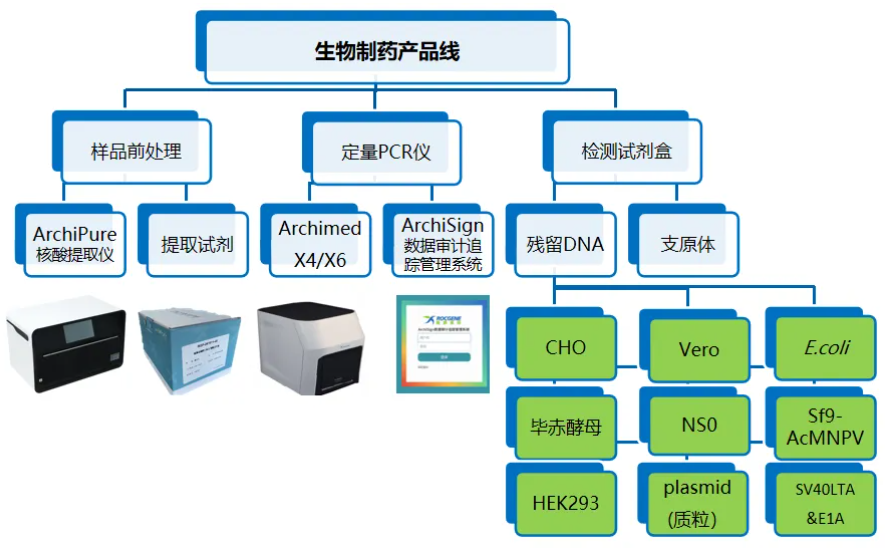
Rocgene has developed a comprehensive residual DNA detection portfolio covering CHO, E.coli, Vero, NS0, Sf9&AcMNPV, HEK293, Plasmid, SV40&E1A residual DNA quantification kits. These kits are compatible with Rocgene’s Archimed X series qPCR instruments as well as 7500, StepOne Plus, CFX96, and other major qPCR systems.
Supporting products include host cell residual DNA extraction kits and automated nucleic acid extraction instruments. Rocgene’s residual testing solution covers sample pretreatment, qPCR instruments, and detection kits, enabling simple and reliable residual testing.
Product Features
1. Accurate: Calibrated to national standards; CV<5%.
2. Sensitive: Stable detection at fg‑level host DNA.
3. Fast: Complete assay in 60 minutes.
4. Anti‑contamination: dUTP+UNG system prevents aerosol contamination.
5. Convenient: Ready‑to‑use master mix; no reaction setup required.
6. Cost‑effective: Equivalent or superior performance at a better price.
06
16
08
18


 +86-010-86229225
 info@rocgene.com
 CN
CN